
Licensed Arizona Concrete Contractor · Founded 2016
Concrete Patios in Phoenix, AZ
We build concrete patios in Phoenix, extend existing ones and pour the slabs under outdoor kitchens, pergolas and fire pits. Every patio starts with slope and drainage, because a patio that holds water is a patio that fails.
Credential
Licensed AZ Contractor
Tenure
Founded 2016
Roots
Local Phoenix Team
Upfront
Free Estimates
Climate Spec
Heat, Monsoon & Soil
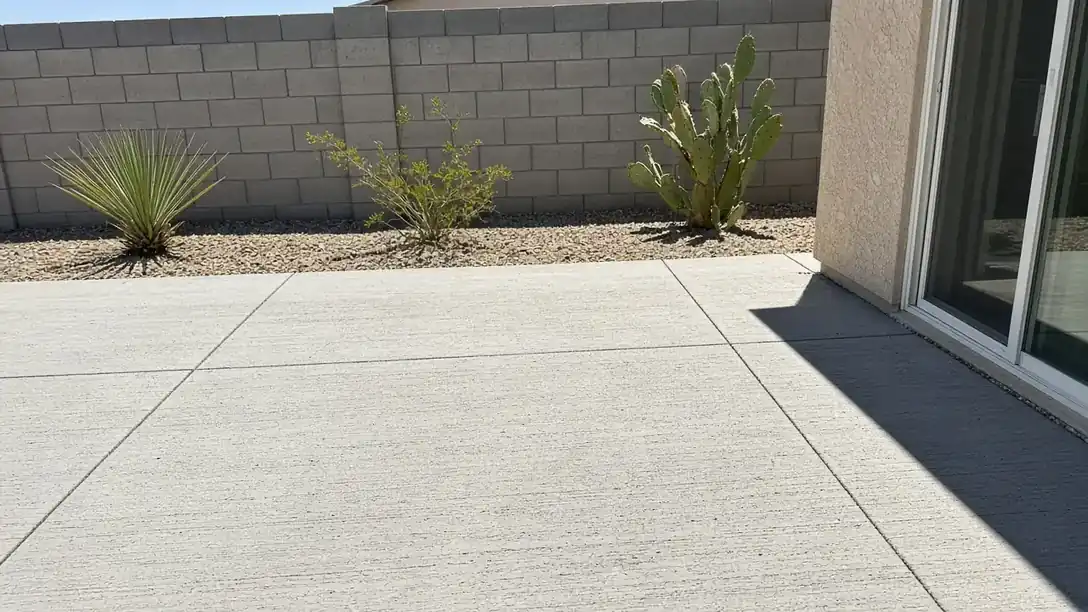
Proven Arizona Heritage
Serving Phoenix property owners since 2016
Patio work we do
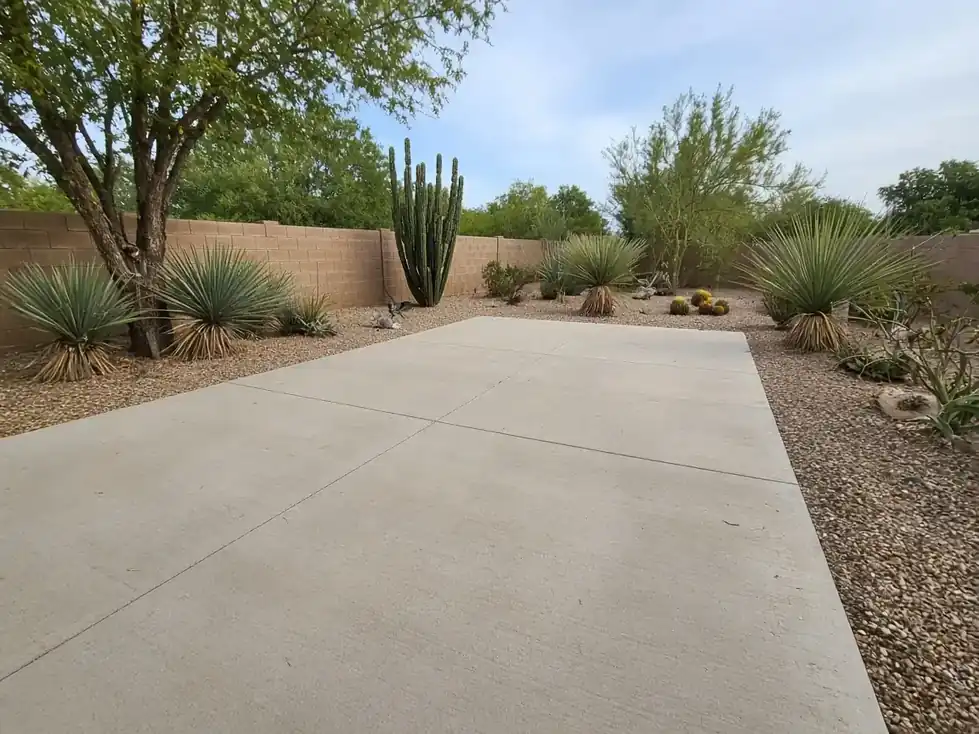
Backyard patios
A good patio gives you room for a table, chairs and a grill without eating the whole yard. We lay it out with you, mark it on the ground and adjust before anything is poured.
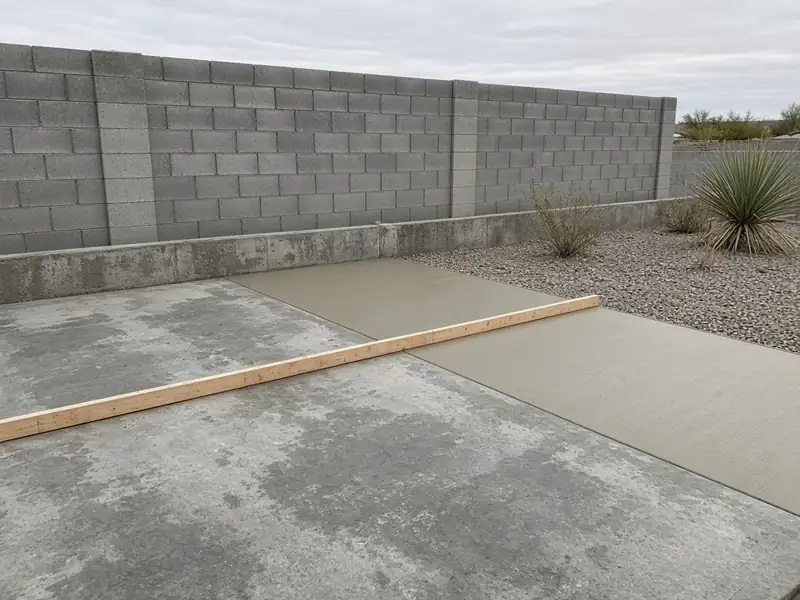
Extensions
Outgrew your patio? We add concrete to the existing slab. Joints tie it in, so the new section does not pull away.
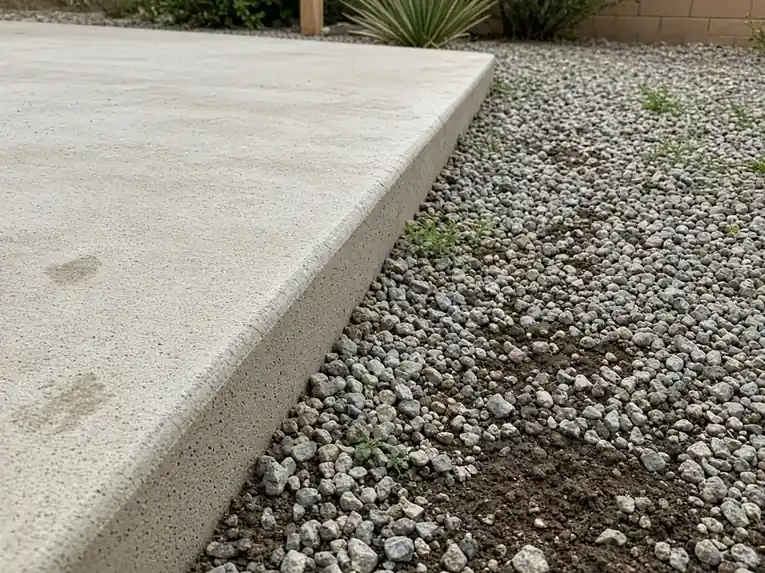
Covered patio slabs
A patio cover changes the job. Posts carry real load, and the slab and footings must match. We coordinate the slab with the cover, so the posts land where the concrete can hold them.
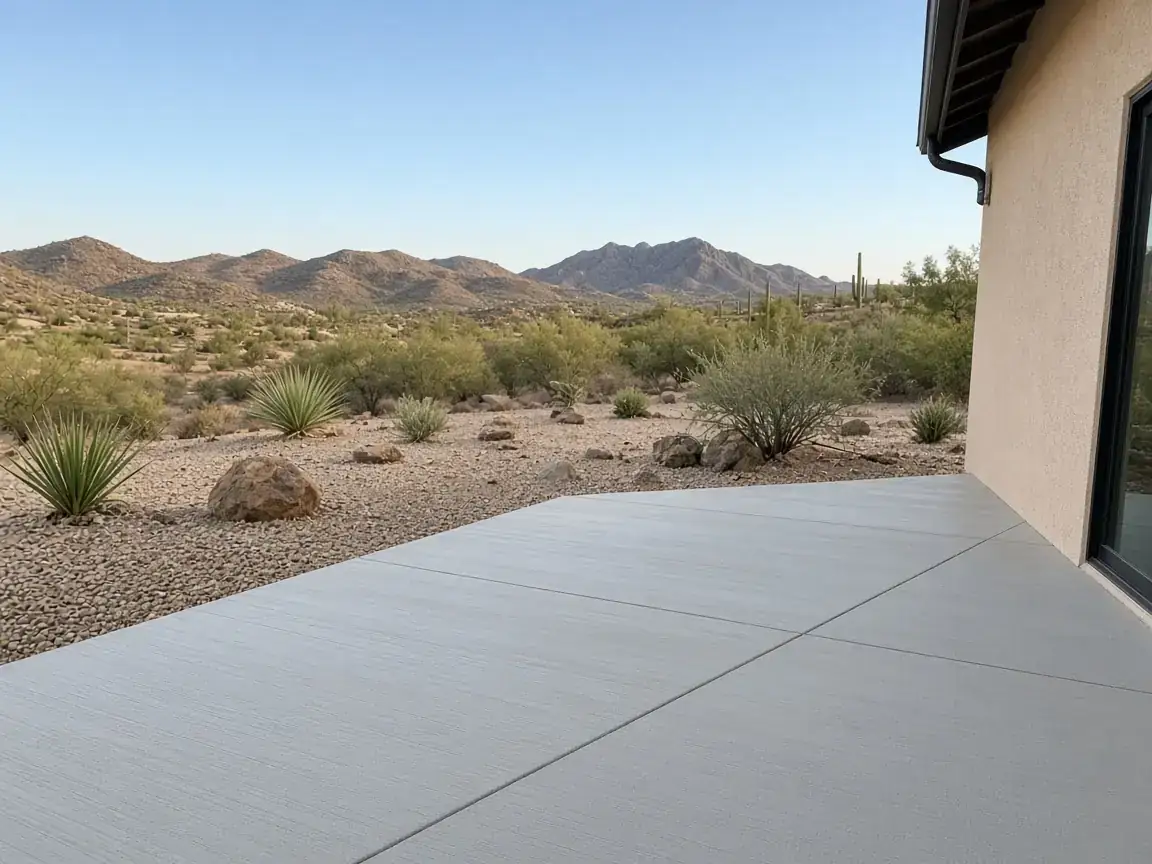
Outdoor kitchen slabs
Grills, counters and refrigerators are heavy. We pour a flat, reinforced base and plan the gas, electric and drainage lines before the pour.
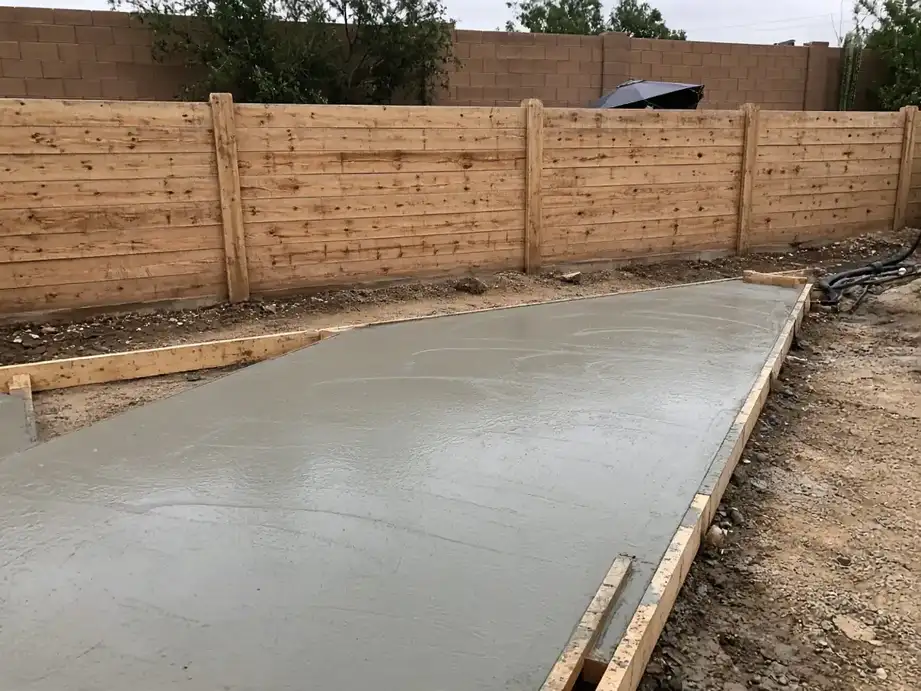
Pergola pads and fire-pit areas
These pads need clear edges and a solid base. Pad size, reinforcement and footing depth: matched to the load and conditions on site.
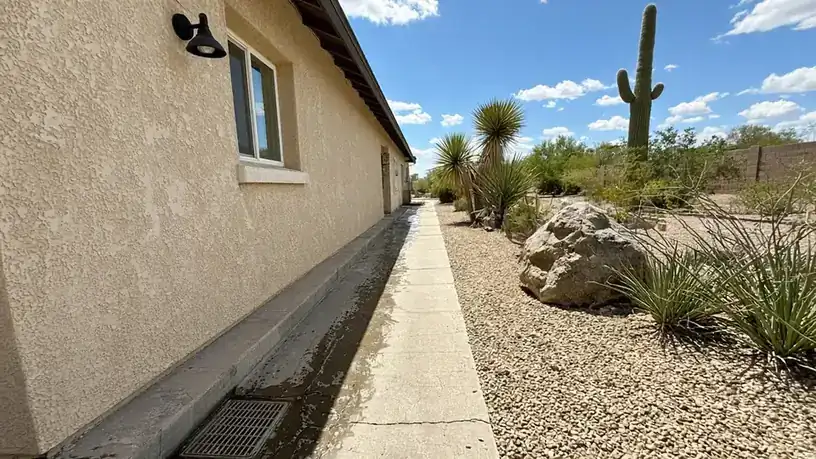
Patio resurfacing and drainage fixes
When the slab is sound, a new surface can refresh it. When water stands on it, we correct the grade first. See our concrete repair page for cracked slabs.
How big should your patio be?
Start with what will sit on it. Measure your table with the chairs pulled out, then add room to walk behind them, usually three feet or more. Add space for a grill, and keep it clear of seating. A patio that is too small gets crowded.
One that is too big costs more and heats the yard.
Mark the outline on the ground with paint or hose. Walk it and move the furniture around. Change the shape before we pour, not after. Bring us the outline, and we will check slope and access.
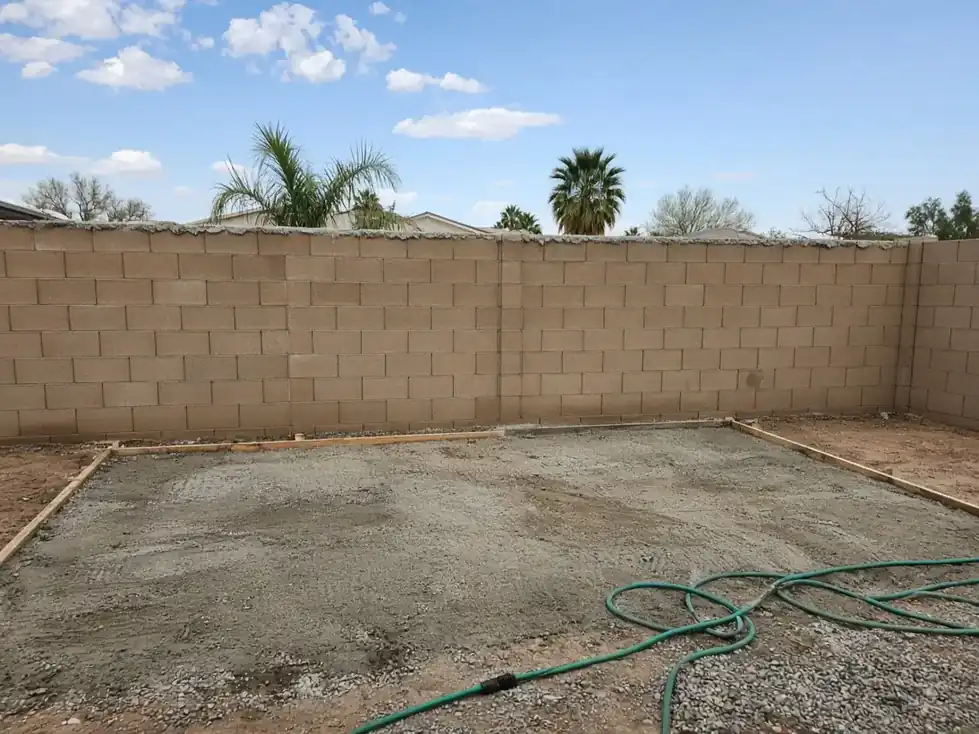
Patio problems we are asked to fix
The same problems come up again and again. Water pools against the house because the slab was poured flat. Cracks run in random lines because nobody cut joints. See why concrete cracks in Phoenix for heat, shrinkage and joint context.
Edges crumble because the base was never compacted. A patio cover leans because the posts sit on thin concrete. Each one comes from skipped prep, not bad luck.
When we replace a failed patio, we find the cause first. Then we build to avoid it.
What makes a patio last in Phoenix
Drainage first
A patio should shed water away from the house and off the slab. The National Weather Service counts monsoon season from June 15 to September 30, and one storm shows every flat spot. We set the slope before we set the forms. Slope we build: matched to the load and conditions on site.
A real base
Much of the Valley sits on caliche, a hard layer of calcium carbonate. Angi says it can add $500 to $2,000 to excavation on a Phoenix lot. Other lots have clay that swells and shrinks. Either way, the base must be compacted and level.
Heat-smart pours
Hot, dry air pulls water out of fresh concrete fast, and the surface cracks. The American Concrete Institute publishes guidance on hot-weather concreting. We pour early and begin curing right after finishing.
Joints that guide cracks
Concrete shrinks as it dries. Control joints tell it where to crack, so the cracks stay straight and tight. If a new patio shows early cracks, see whether new concrete cracking is normal.
Plain, stamped or exposed-aggregate patio finishes
Plain broom-finished concrete is the practical choice. It grips under wet feet and costs the least.
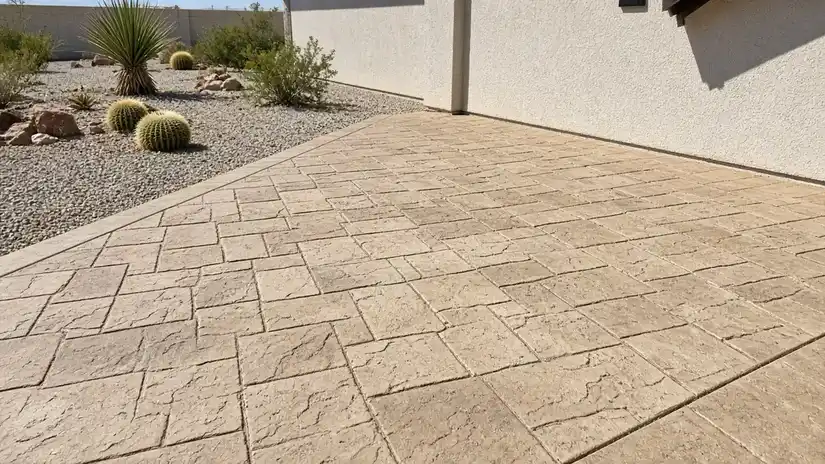
Stamped concrete adds a pattern and color. It can look like stone, brick or slate. The stamped concrete page covers patterns, colors and upkeep.
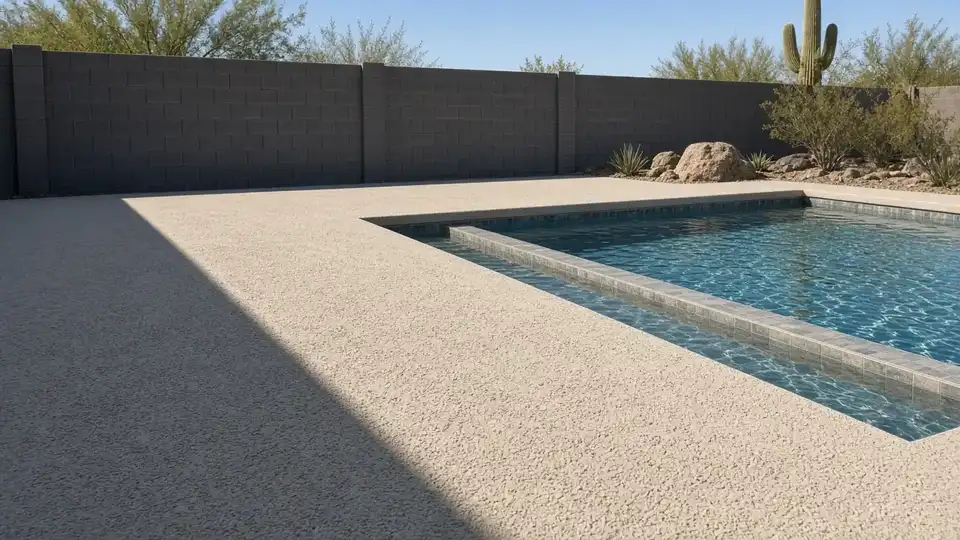
Exposed aggregate shows the stones in the mix. It grips well and hides small stains. It can also shed stones if the job is poorly done, so ask who will pour it. Finishes we offer: finish options are confirmed on the estimate.
Color changes how hot a patio feels. In an Arizona pilot, the EPA reports asphalt-type paving reached up to 152°F at midday. Cool pavements ran 10 to 16°F cooler. Lighter, more reflective finishes stay cooler underfoot.
Permits and HOA approval for patios
Rules depend on what you are building. A covered patio usually needs a permit. A plain, uncovered slab at ground level often does not. Rules change, so we confirm with the City of Phoenix before work begins.
Many HOAs review patio size, materials and color. Some also review covers and pergolas. Ask for your architectural guidelines early, since approval can take weeks.
Arizona 811 must mark underground utilities before anyone digs. Call at least two full working days ahead. We make that call for every excavation. Maricopa County’s Rule 310 also covers dust from digging and grading.
What a concrete patio costs in Phoenix
Size, thickness, finish, access and demolition drive the price. Caliche, slope and drainage work add to it. A covered patio slab or outdoor kitchen pad adds more, because the base needs more reinforcement.
We do not quote from a phone call. Send your measurements and a description, and we price from what you tell us. Every job is quoted from a site visit. For patio pricing factors, see our guide to what a concrete patio costs in Phoenix. Driveway pricing is covered in our driveway cost guide.
How a patio job runs
01
You contact us
Describe what you want.
02
We look at the yard
We check slope, access, utilities and any cover or kitchen plans.
03
You get a free estimate
It lists the scope, the materials and the price.
04
We prepare the site
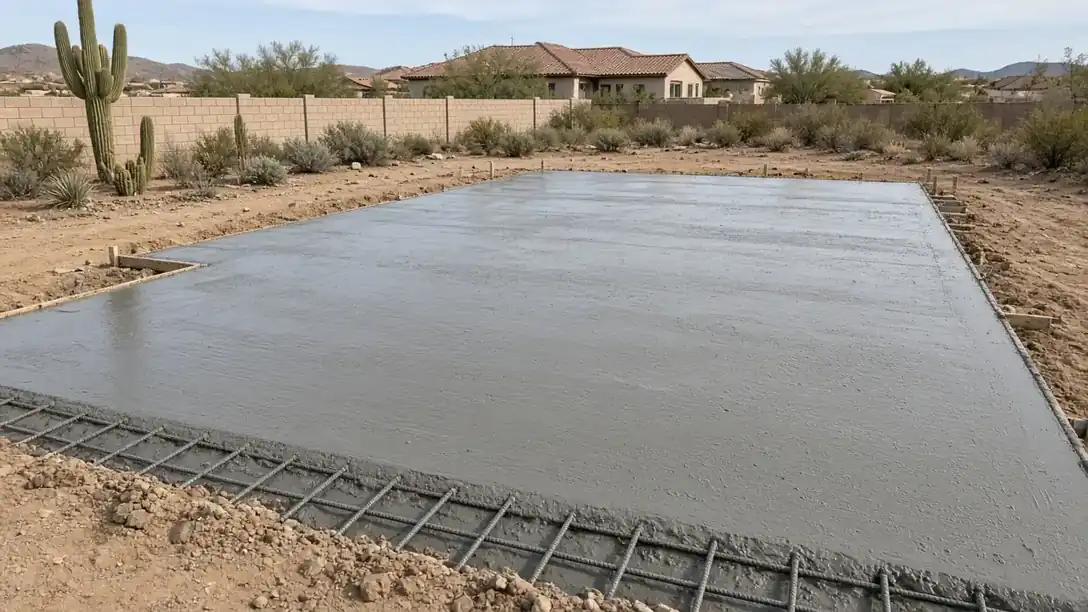
We mark utilities, excavate, compact the base and set forms.
05
We pour and finish
Reinforcement, concrete, finish and joints.
06
We cure and walk the job with you
Typical timeline: a few days on site in typical conditions.
Where patio projects differ across Phoenix
Lots change the job. In Ahwatukee Foothills, below South Mountain, slope matters most, so drainage comes before design.
In Encanto, the City’s smallest village by area, access for trucks and pumps can set the pour plan. In Deer Valley, larger yards often mean longer runs and more joints.
What our customers say
“
Sarah Williams
“Our backyard in Tempe needed a proper concrete patio. We wanted enough room for outdoor furniture while keeping the rest of the yard open and usable.”
Tempe, AZ · Concrete Patio
“
Christopher Bennett
“We needed a concrete slab for a covered patio in Mesa. Planning the dimensions around the posts and outdoor furniture was important for making the space practical.”
Mesa, AZ · Covered Patio Slab
“
Nicole Adams
“We were planning an outdoor kitchen in Chandler and needed a suitable concrete base. Getting the dimensions and layout right was important before moving forward with the project.”
Chandler, AZ · Outdoor Kitchen Slab
Frequently asked questions
Related concrete services
Patio plans often overlap with other work. Stamped concrete covers patterns and color. Pool deck resurfacing handles the area around a pool. Slabs and foundations cover garage and workshop pads.
Request your free patio estimate
Describe your patio project, and we will get back to you with a free estimate.
Patio details from Phoenix yards