Licensed Arizona Concrete Contractor · Founded 2016
Concrete Service Areas Across Phoenix, AZ
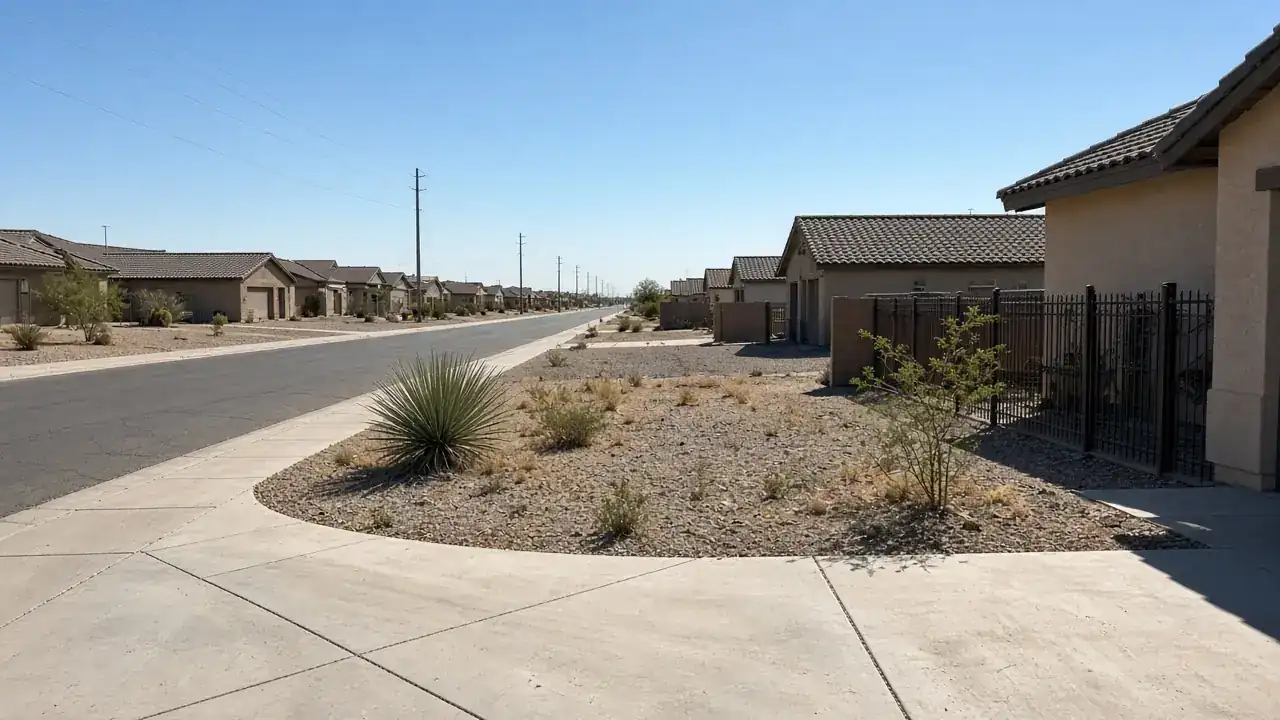
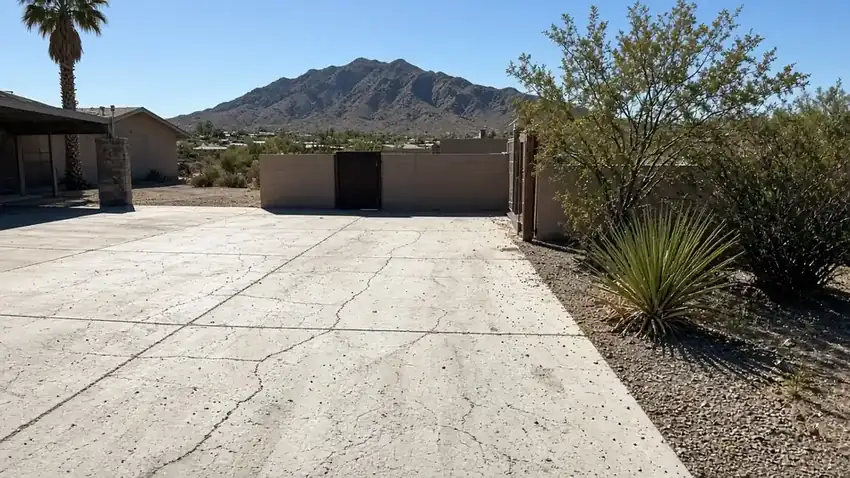
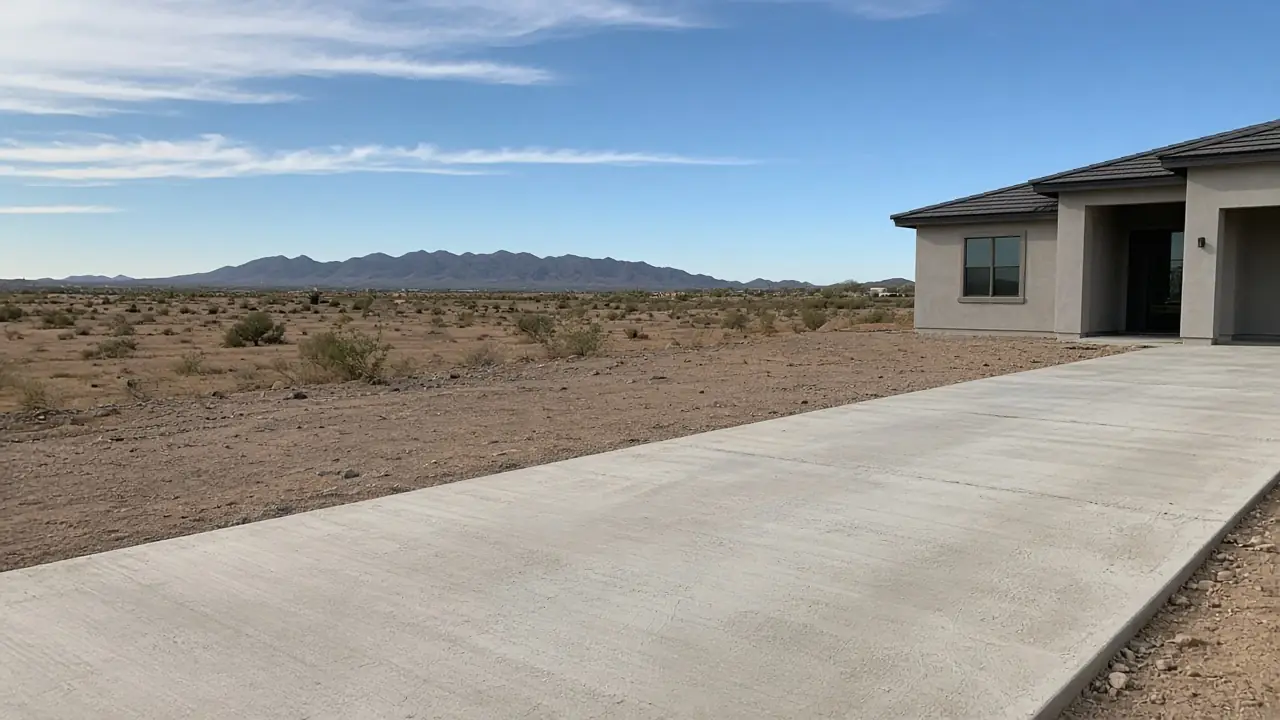
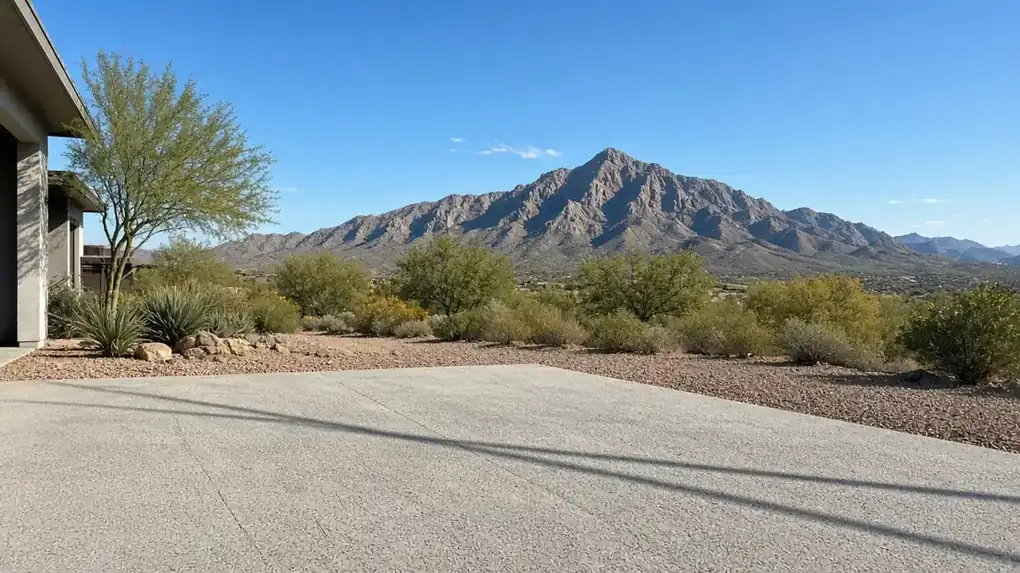
Our service areas cover Phoenix, Arizona. This page shows how the city breaks into villages. It explains what each one means for concrete. It also tells you how to check your address.
Credential
Licensed AZ Contractor
Tenure
Founded 2016
Roots
Local Phoenix Team
Upfront
Free Estimates
Climate Spec
Heat, Monsoon & Soil
Proven Arizona Heritage
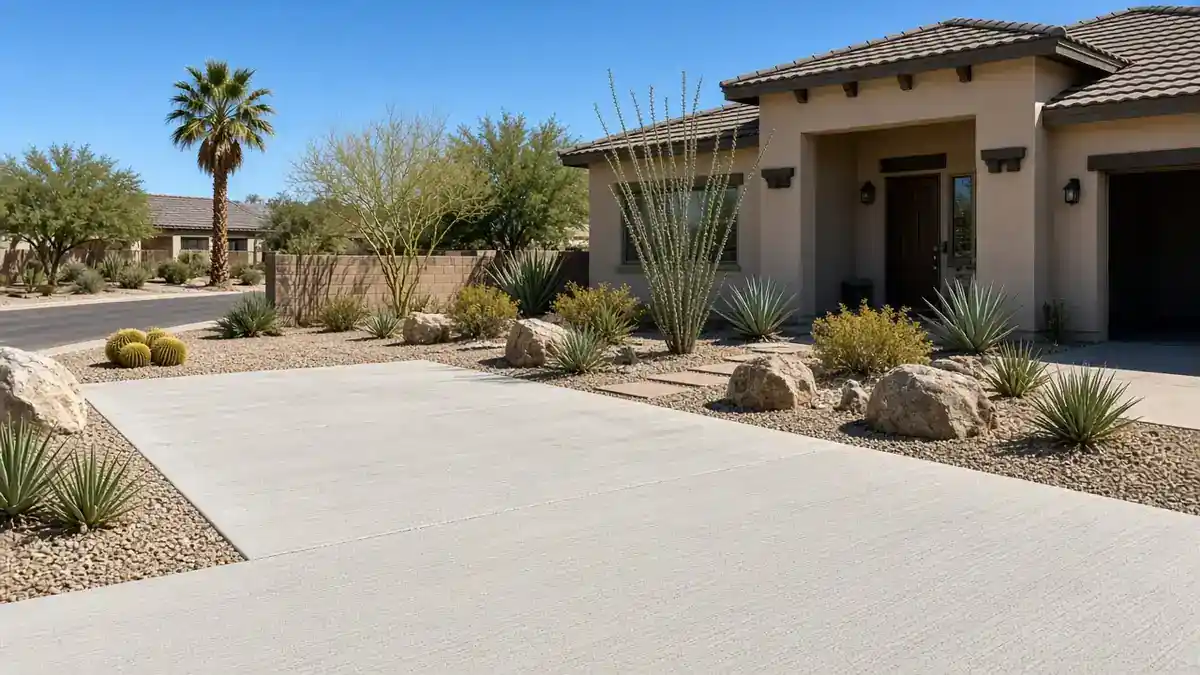
Serving Phoenix property owners since 2016
How do you know if we cover your address?
Send us your address with your project, and we confirm coverage before we price the job. Not sure where your property sits? Tell us the nearest cross streets, and we will sort it out. Phoenix has 15 urban villages, and each one has its own mix of soil, slope, housing age and drainage.
We plan around those conditions.
Our primary service area is Phoenix, Arizona, including nearby communities where project requirements and availability permit. Contact us with your property address to confirm service coverage.
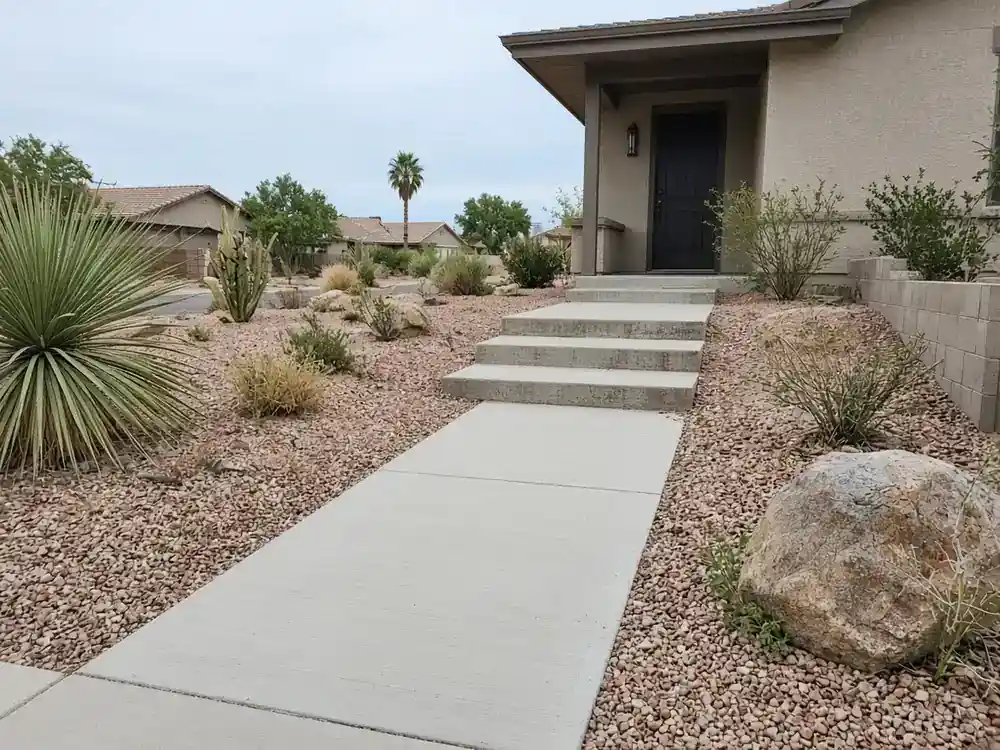
Why the village matters
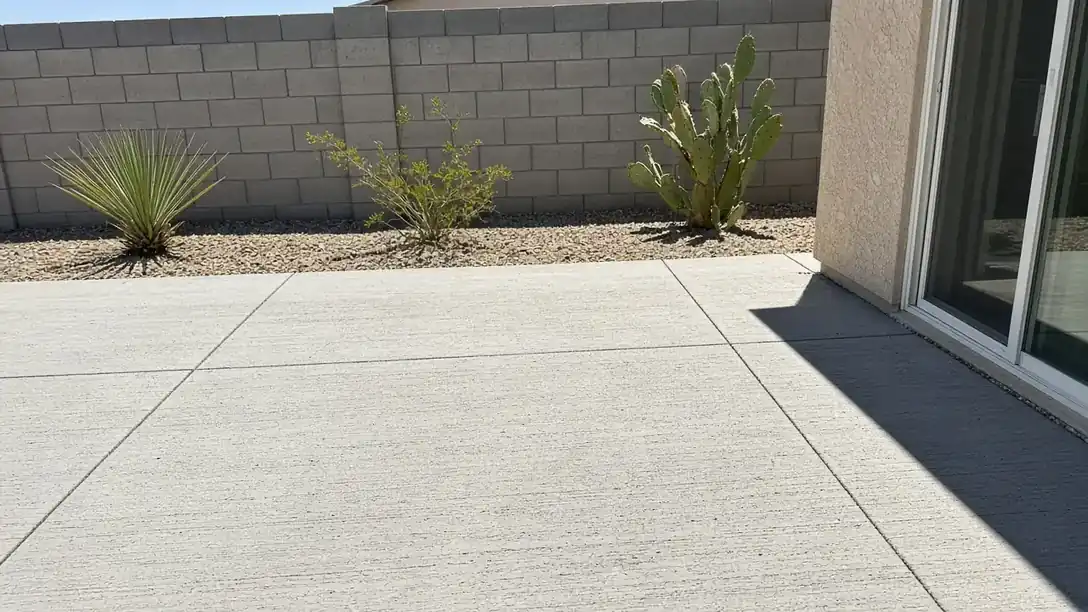
The City of Phoenix has 15 urban villages, according to the City of Phoenix. Each has its own edges, housing age and ground. Those change how we plan drainage, base and access.
Across all of them, three conditions repeat. The National Weather Service counts monsoon season from June 15 to September 30.
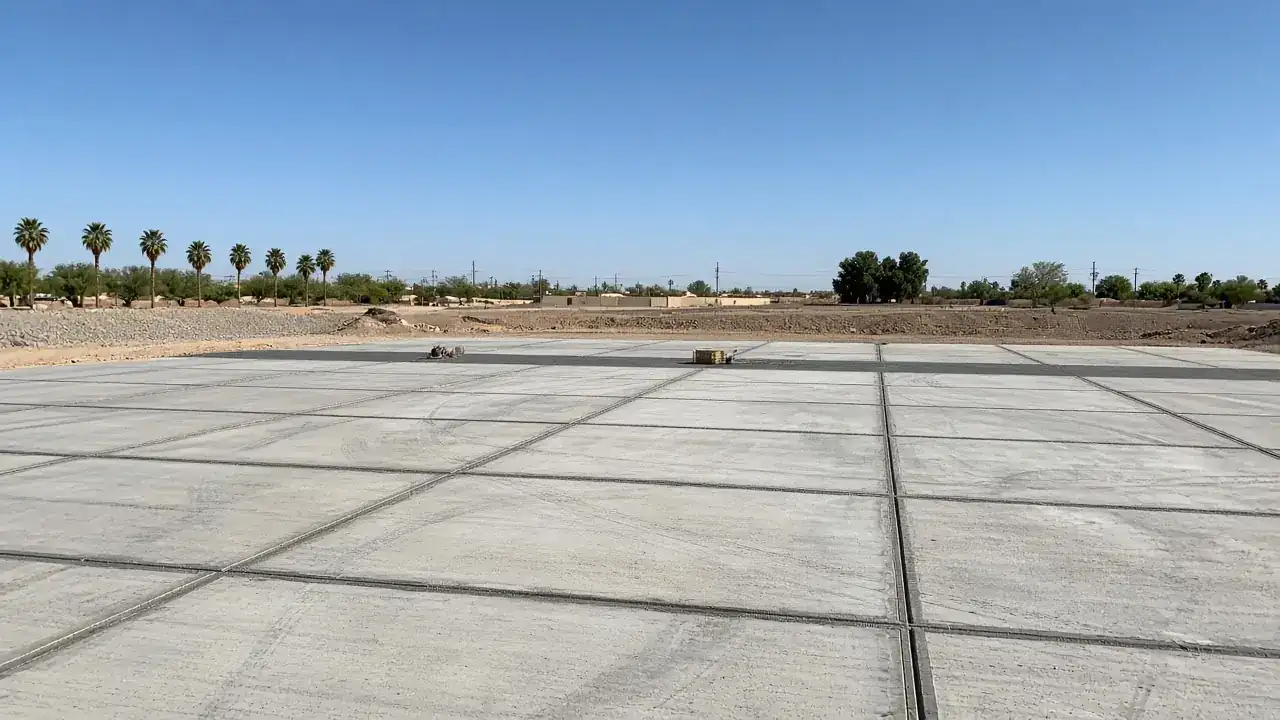
Hot, dry air pulls water from fresh concrete, so pours start early and curing starts right away. Much of the Valley sits on caliche, a hard layer that slows digging. Some lots sit on clay that swells and shrinks.
Phoenix villages and what they mean for concrete
Camelback East
This village borders the Town of Paradise Valley and Scottsdale and runs north toward the Phoenix Mountains. Camelback High School stands on North 28th Street.
Much of the housing dates to 1950–1970, per the City. Older slabs there deserve a base test before repair. Arcadia is a neighborhood inside this village.
Deer Valley
It stretches from Greenway Road north to the Central Arizona Project aqueduct. We check runoff and slab thickness for the loads you plan, from family cars to RVs.
Encanto
The city’s smallest village by area centers on Central Avenue, near Steele Indian School Park. In a dense village, we plan how trucks and pumps reach your yard.
Laveen
The Salt River borders it on the north and 27th Avenue on the east. South Mountain Park lies on the south. Cesar Chavez High School sits on West Baseline Road. Water moves across open ground here, so we map how it crosses your lot.
Maryvale
It is the most populous village in Phoenix, with over 200,000 residents. Older flatwork gets a close look for cracks, settlement and drainage.
Ahwatukee Foothills
It runs from I-10 south to Pecos Road, below South Mountain. Slope matters near the mountain edge, so drainage and soil come first.
What about Paradise Valley and other nearby cities?
The Town of Paradise Valley is a separate town, not a Phoenix village. Scottsdale, Tempe and Glendale are separate cities, too. Each has its own permit office and rules. Inside Phoenix, we follow City of Phoenix rules.
Outside it, we follow that city’s rules.
We may be able to accommodate projects in nearby communities depending on location, project scope, and scheduling. Contact us to confirm availability for your address before making plans.
Rules that change by area
Permits
Driveway work at the street edge falls under City of Phoenix rules inside Phoenix. The City’s driveway policy calls for 6-inch Class A concrete on residential driveways. On streets with roll or ribbon curb, a section over 10.5 feet in the right-of-way needs a driveway permit.
HOAs
Many Phoenix communities have architectural rules for patios, driveways and finishes. Ask for yours early.
Utilities and dust
Arizona 811 must mark underground utilities before anyone digs, anywhere in the state. Maricopa County’s Rule 310 covers dust from construction across the county.
How we plan a job in your area
Every estimate starts with the address. We look at the village, the lot and the street. We check slope, drainage, soil, access and any HOA. Then we explain what the local conditions mean for your slab.
A driveway in Laveen and a patio in Encanto need different plans, even with the same concrete. That is why we ask about your lot before we quote. During the estimate process, we’ll discuss your project requirements and determine the appropriate next steps. Contact us to confirm whether an on-site visit is available for your project.
What we build in every area
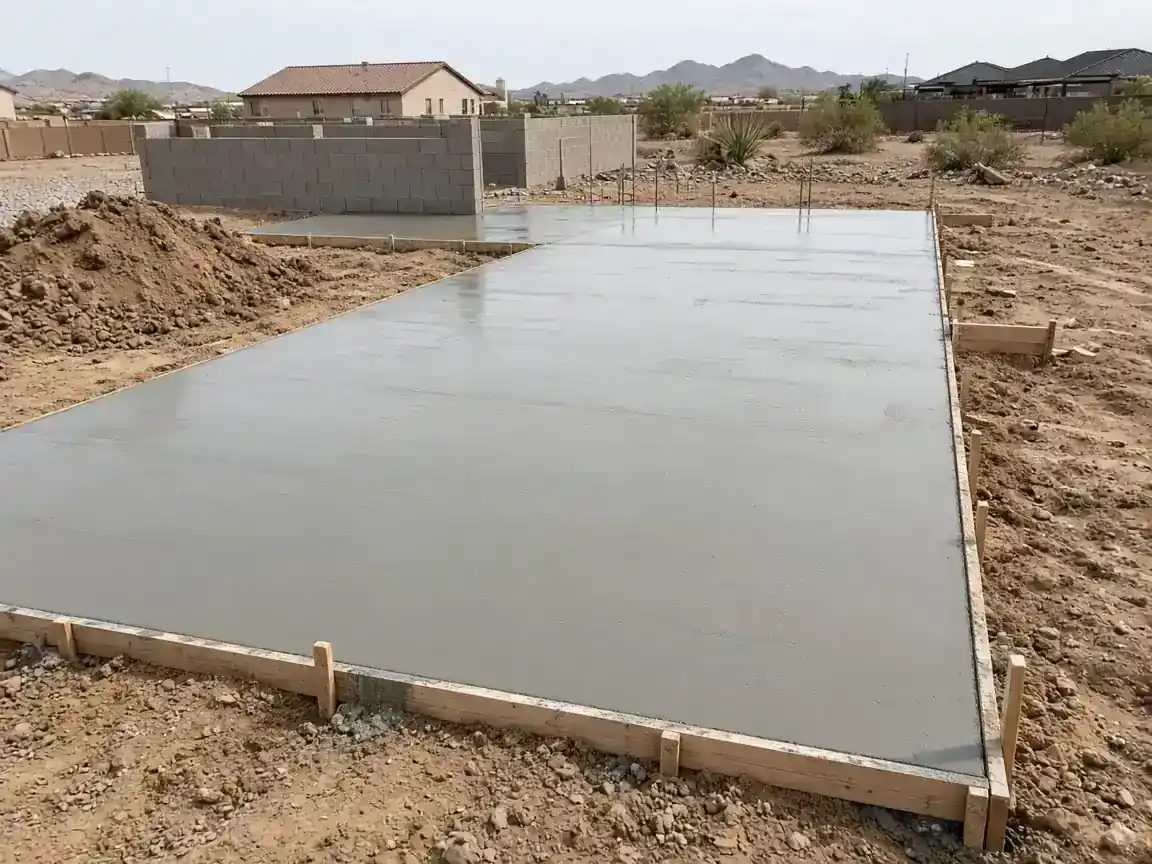
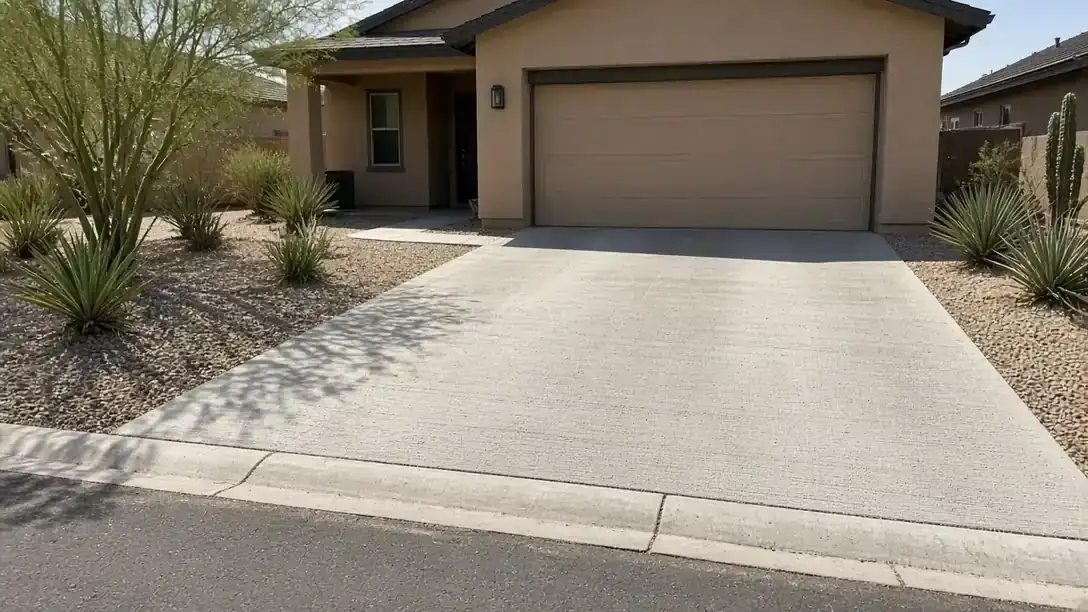
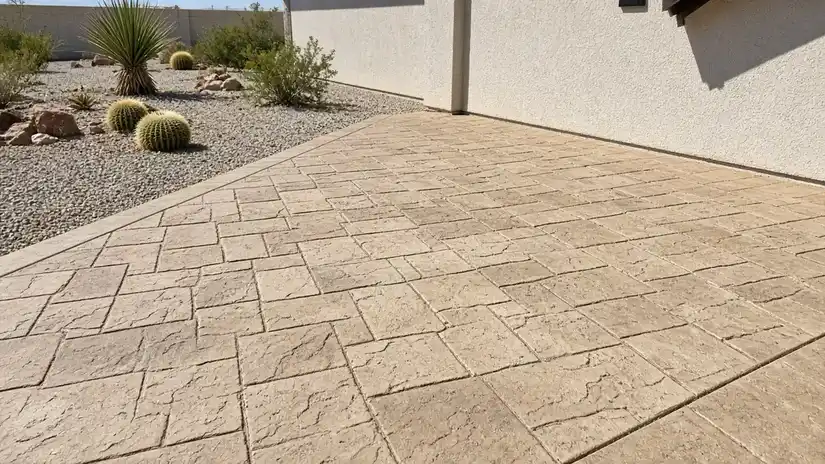
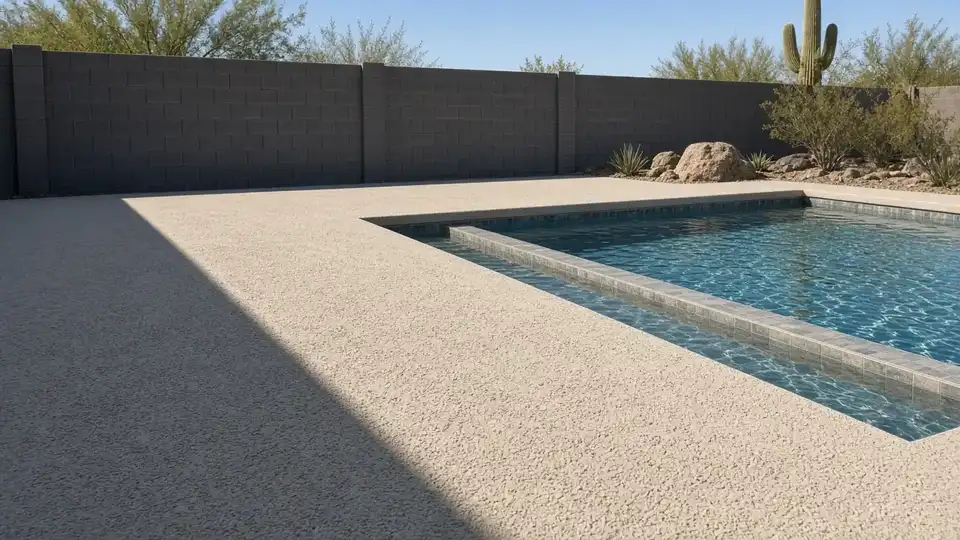
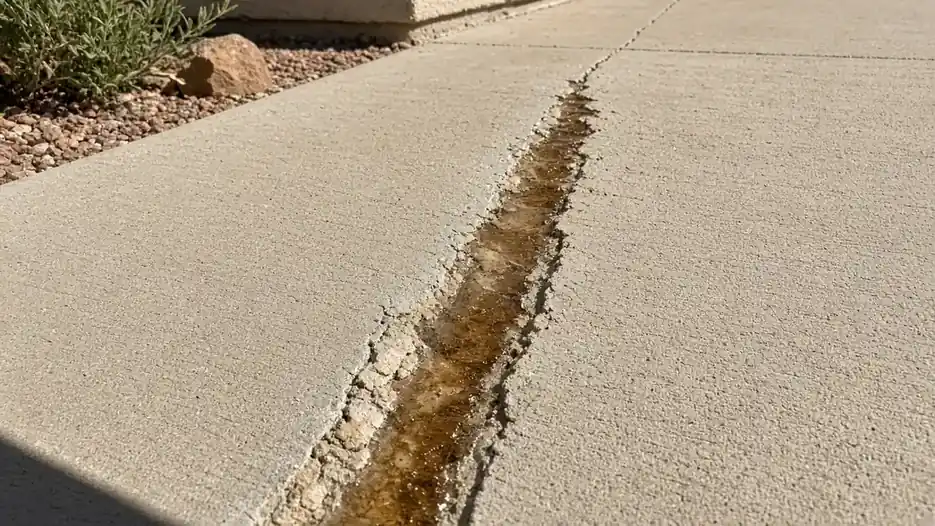
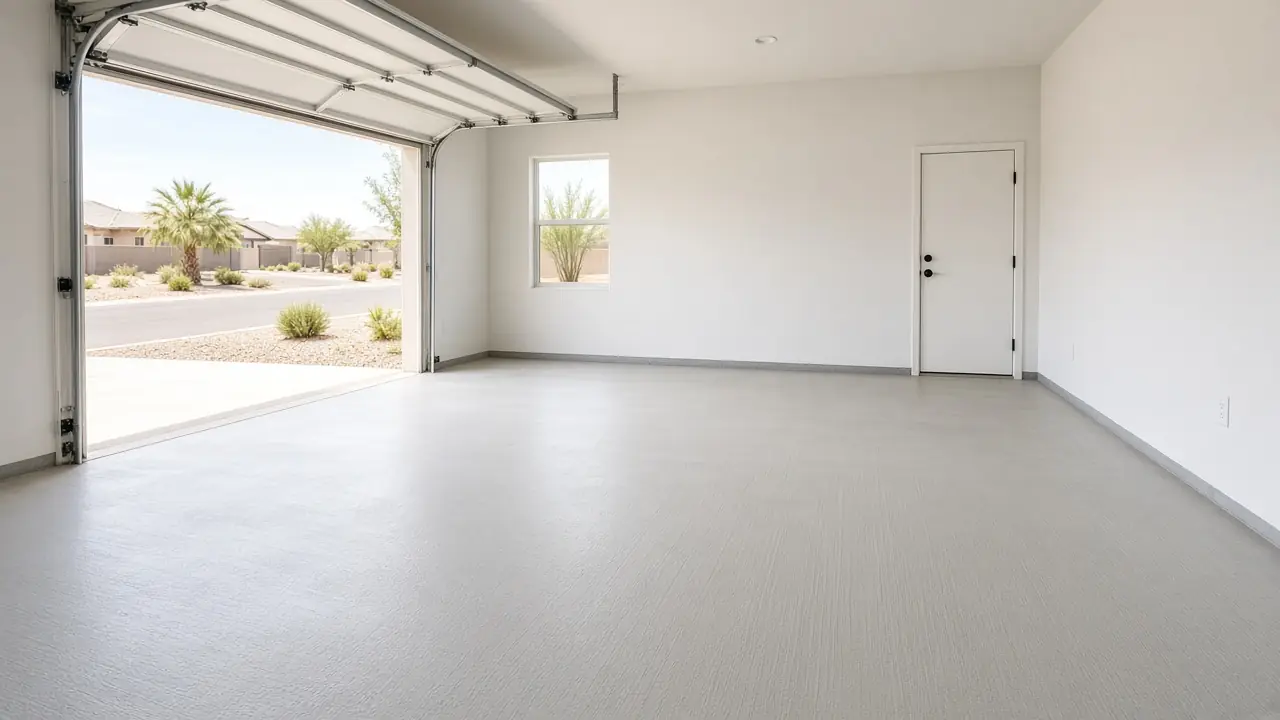
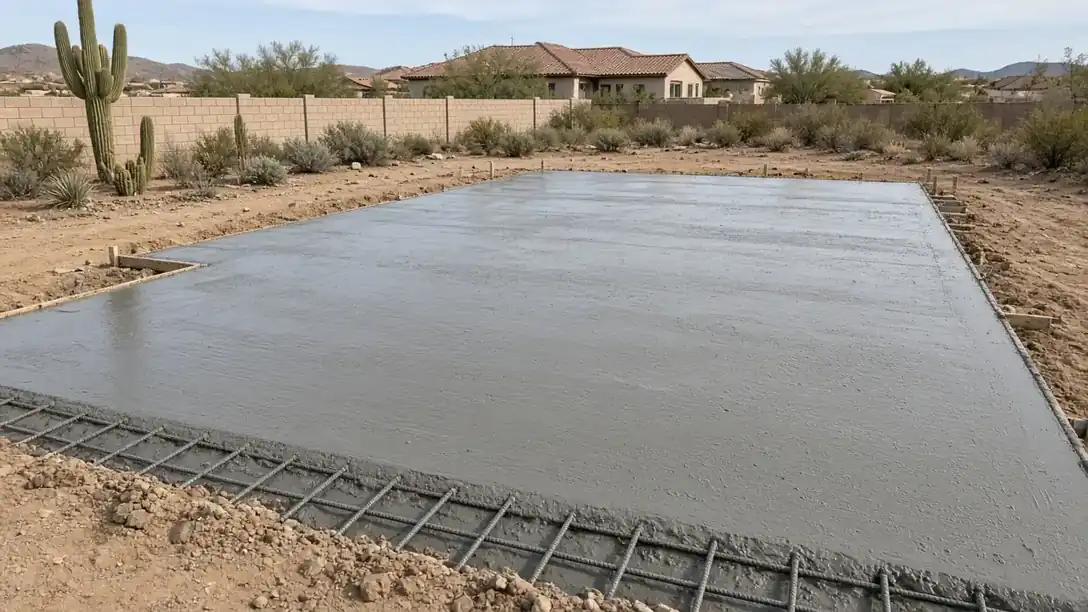
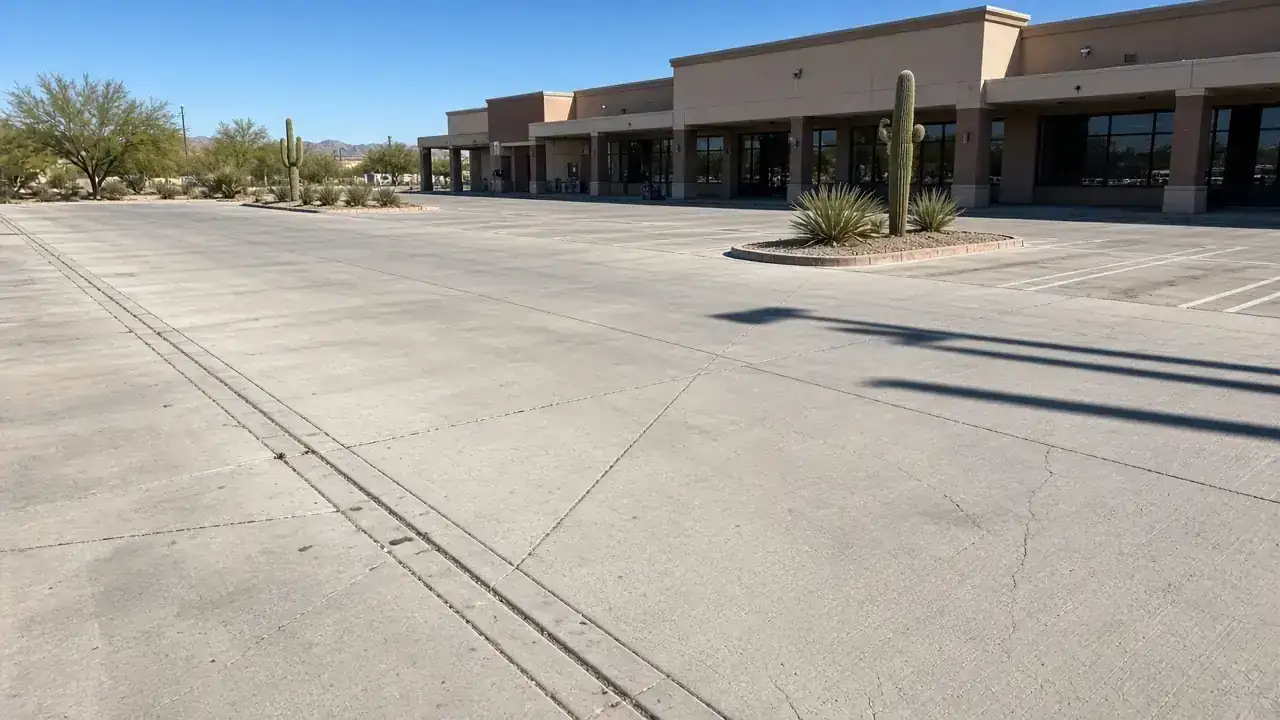
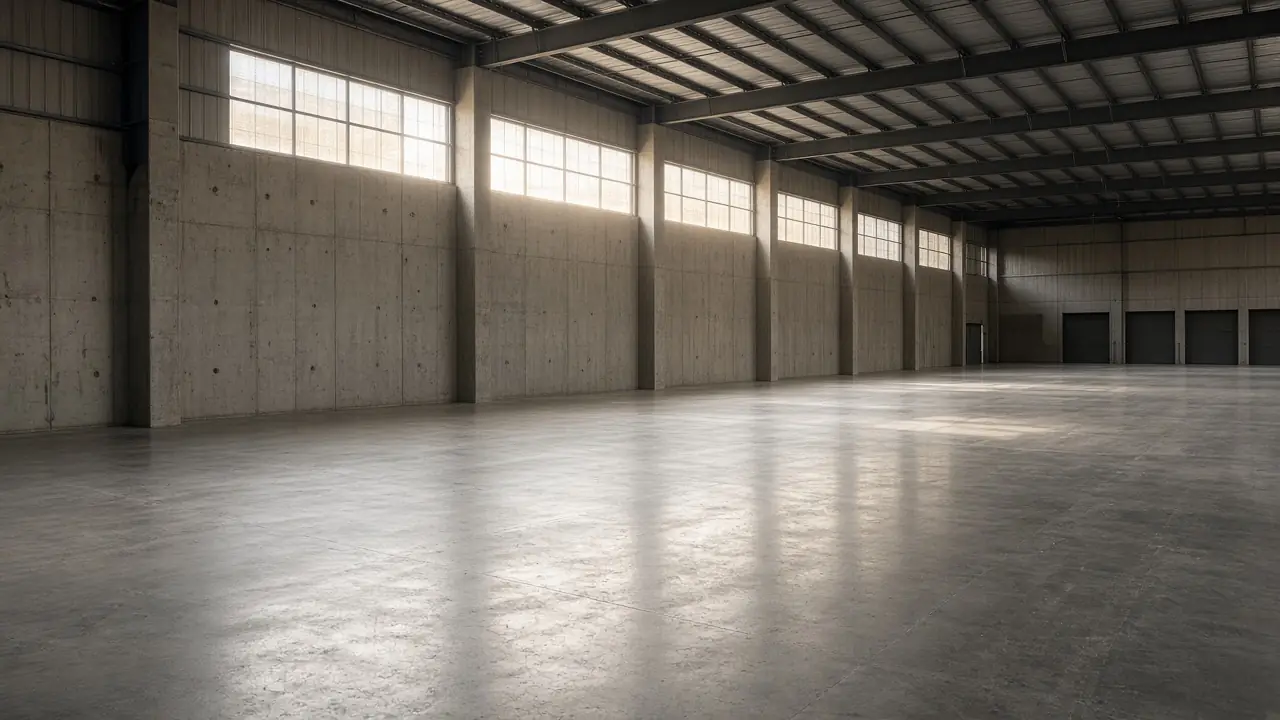
Our services are the same in every village. Concrete driveways, patios, stamped concrete, pool deck resurfacing, concrete repair, garage floor coatings and slabs and foundations serve homes. Commercial concrete, warehouse flooring and parking lots serve businesses. The services overview matches a problem to the right page.
Frequently asked questions
Request your free concrete estimate
Tell us your address and your project. We will confirm coverage and get back to you with a free estimate.
Reviewed by Phoenix Concrete Contractors on November 1, 2026.
Phoenix neighborhoods we serve
Open a neighborhood page for local soil, drainage and project notes.