Licensed Arizona Concrete Contractor · Founded 2016
Phoenix Parking Lot Concrete
Concrete parking areas need to accommodate vehicle traffic, pedestrian movement, drainage, and regular outdoor exposure. Depending on the property, the work may involve a new concrete parking area, replacement of damaged sections, repairs to existing pavement, or improvements to access and transitions.
Credential
Licensed AZ Contractor
Tenure
Founded 2016
Roots
Local Phoenix Team
Upfront
Free Estimates
Climate Spec
Heat, Monsoon & Soil
Proven Arizona Heritage
Serving Phoenix property owners since 2016
Project Overview
- Service: Parking lot concrete
- Property type: Commercial parking area
- Location: Phoenix, Arizona
- Main objective: Plan concrete pavement suitable for the property’s intended parking and traffic needs
- Key considerations: Vehicle loads, ground preparation, pavement design, drainage, joints, accessibility, and construction scheduling
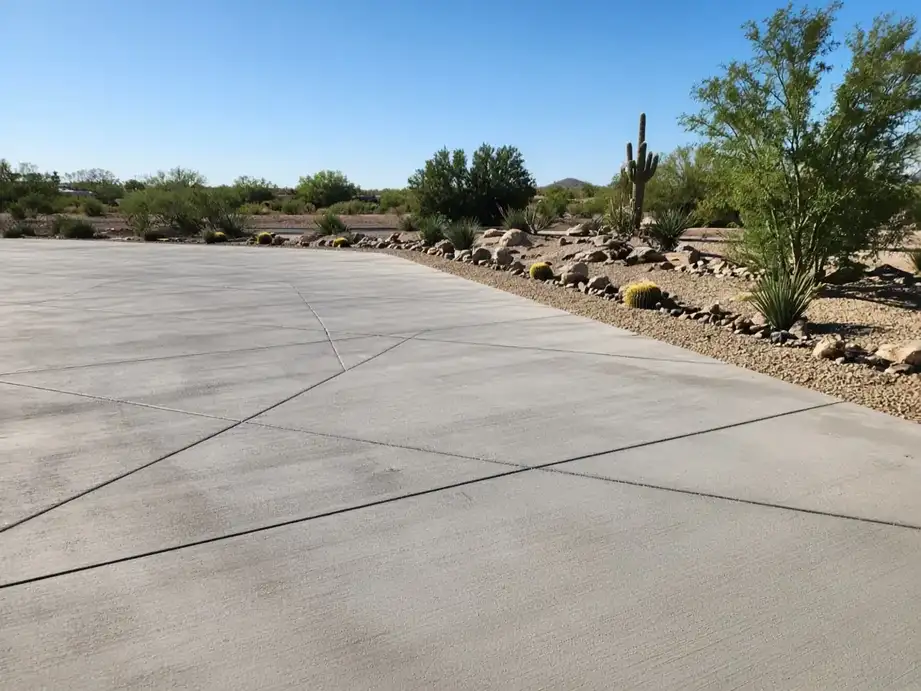
Parking lot concrete requirements vary by property. A small parking area serving passenger vehicles may have different requirements from a commercial site used by delivery trucks or other heavy vehicles.
The design and construction plan should reflect the actual site rather than assume one specification will suit every parking area.
The Challenge: Safe and Usable Parking Surfaces
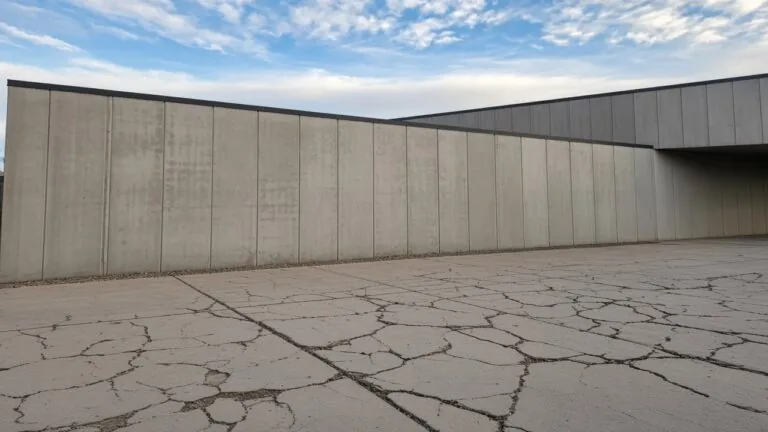
Parking areas experience repeated traffic, weather exposure, and regular use. Over time, concrete may develop cracks, surface deterioration, damaged edges, or uneven transitions.
Common issues that may require assessment include:
- Cracked or deteriorated concrete panels
- Damaged sections near entrances and exits
- Uneven transitions between concrete and adjacent pavement
- Water collecting in parts of the parking area
- Worn pedestrian walkways or curb areas
- Concrete that may not be suitable for the current traffic demands
- Construction work that must be coordinated with ongoing business operations
These are general examples of parking area concerns, not findings from a verified completed project.
The first step is to identify the condition of the existing pavement and determine whether localized repair, partial replacement, or new concrete construction is appropriate.
Project Progress
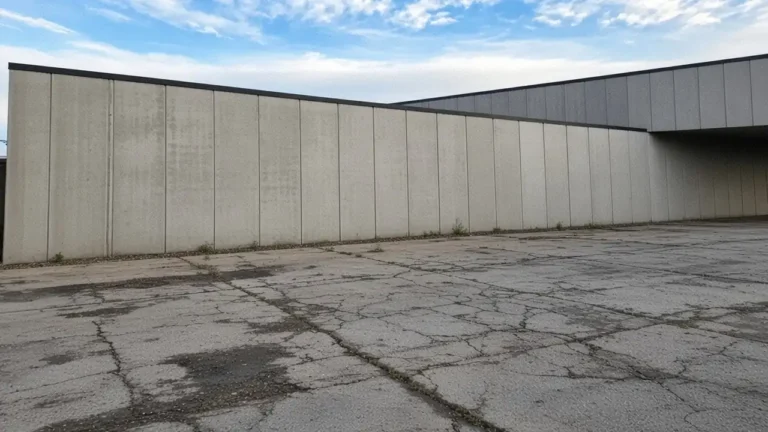
During the Work
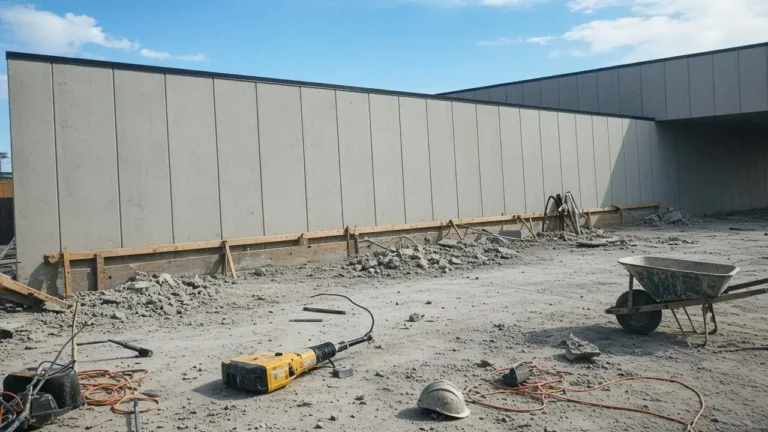
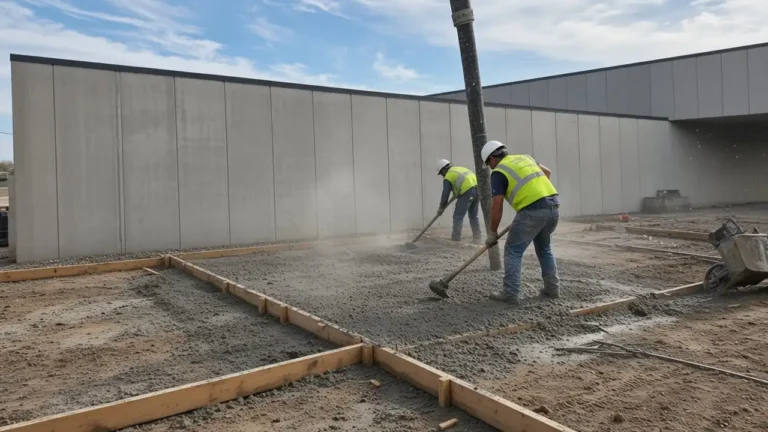
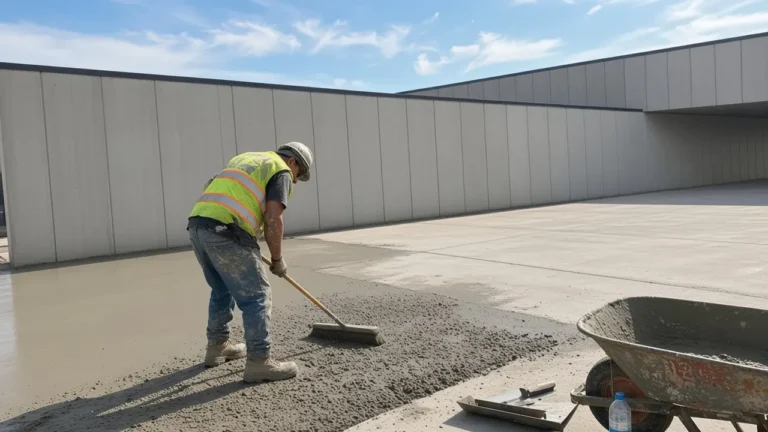
Parking lot work starts with assessing pavement condition and traffic, defining scope, planning preparation and layout, establishing pavement specifications, placing and finishing concrete, and managing joints and curing.
Parking Lot Concrete Considerations in Phoenix
Heat and Weather
Hot weather and high concrete surface temperatures can affect placement, finishing, and curing. Installation timing and procedures should account for actual conditions.
Ground Conditions
The supporting ground and base should be suitable for the expected traffic. Preparation requirements depend on the site’s actual conditions.
Drainage
Parking surfaces should be planned to manage water flow in accordance with the project design and applicable requirements. Changes in elevation should not create unintended drainage problems.
Traffic Loads
Pavement design should reflect the types of vehicles using the area, including any delivery or service vehicles that may place higher loads on particular sections.
Accessibility and Site Layout
Parking spaces, access routes, pedestrian areas, and transitions may be subject to applicable accessibility and building requirements. These should be reviewed during planning.
Business Operations
If the property will remain open during construction, the project may need phased work, temporary access arrangements, and clear separation between active work areas and public traffic.
Intended Outcome
A properly planned parking lot concrete project aims to provide pavement appropriate for the property’s traffic, layout, drainage, and daily use.
Project Gallery
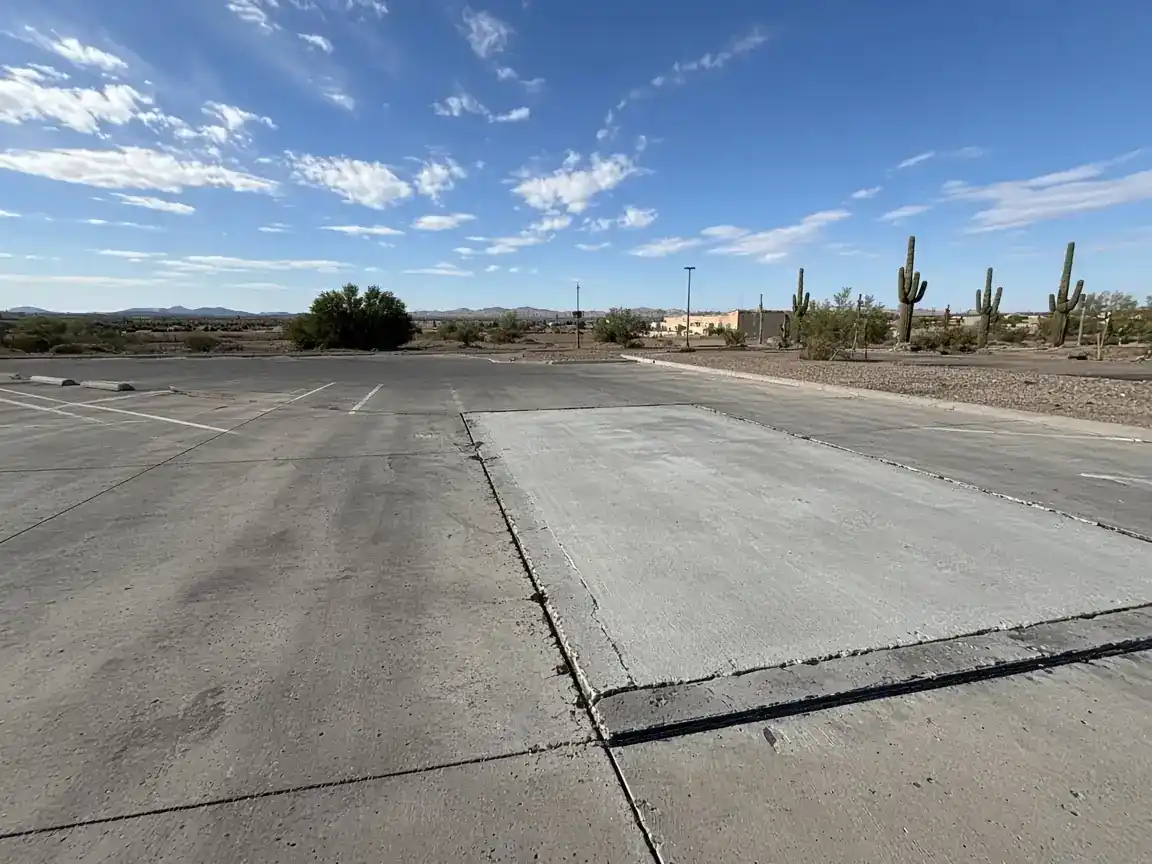
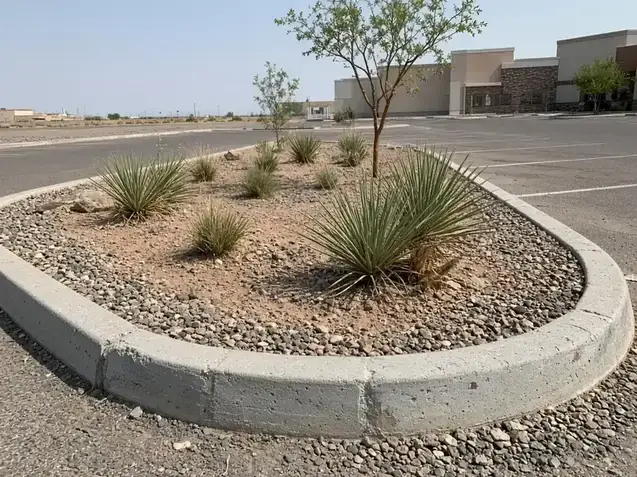
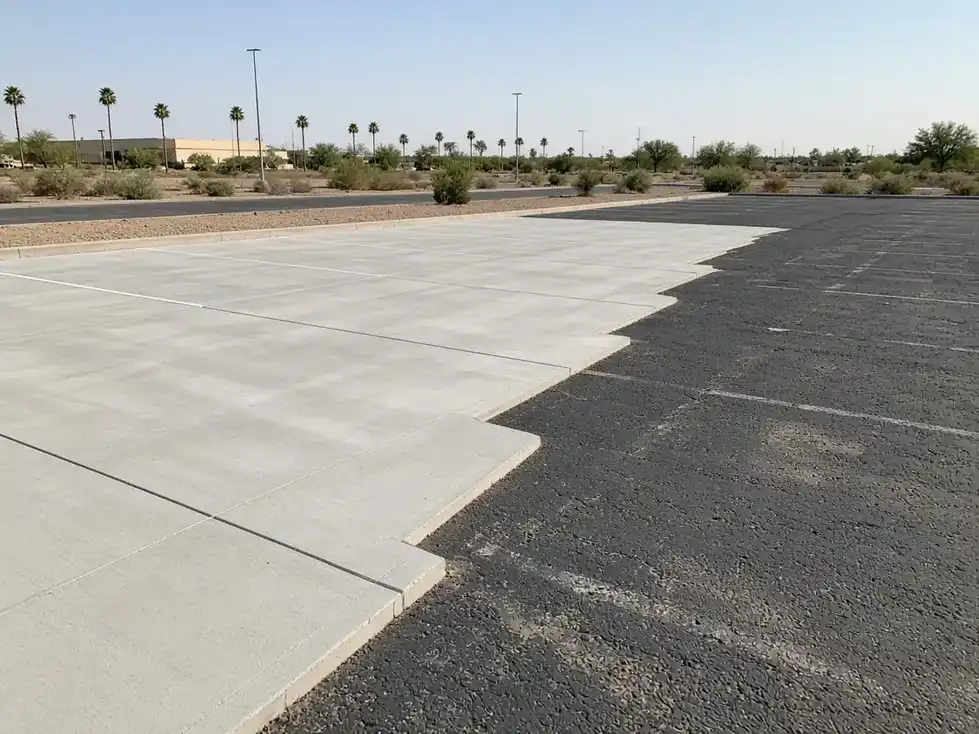
Photographs showing parking lot concrete placement, joints, and finished pavement surfaces in Phoenix.
What Affects Parking Lot Concrete Cost?
The cost of a parking lot concrete project depends on the size of the area, its intended use, site conditions, and the amount of construction or repair required.
Relevant factors include:
- Total area and pavement dimensions
- Expected vehicle loads
- Removal and disposal of existing concrete
- Excavation and base preparation
- Concrete specifications and reinforcement
- Forms, joints, curbs, and transitions
- Drainage work
- Site access and material delivery
- Traffic management during construction
- Required engineering, permits, and inspections
A project involving heavy vehicles or substantial ground preparation may require a different scope from a small passenger-vehicle parking area.
Parking Lot Concrete Pricing
Parking Lot Concrete Estimate
Parking lot concrete pricing: a custom estimate is required.
Parking areas vary with pavement area, vehicle loads, drainage, curbs, phasing, and whether the work is repair, replacement, or new construction. A custom estimate is prepared from the actual site scope.
Repair or Replace Existing Parking Lot Concrete?
Localized repairs may be appropriate when damage is limited and the surrounding pavement remains suitable.
Partial replacement may be more appropriate when certain sections have extensive deterioration or cannot be repaired reliably. Broader replacement may need to be considered when damage is widespread or the existing pavement does not meet the property’s current requirements.
The decision should account for the condition of the concrete, the supporting base, traffic demands, drainage, and the expected performance of the proposed solution.
Discuss Your Parking Lot Concrete Project
Phoenix Concrete Contractors provides concrete services for residential and commercial properties in Phoenix, Arizona.
If you are planning a new concrete parking area or need to address damaged parking pavement, discuss the property layout, traffic demands, existing surface condition, and required scope of work.
Discuss suitable options for your property with Phoenix Concrete Contractors.
Related service: Parking Lots
Related service: Commercial Concrete
Related service: Concrete Repair
The result depends on the design, site conditions, base preparation, materials, construction quality, curing, and ongoing use.