
Licensed Arizona Concrete Contractor · Founded 2016
Concrete Repair in Phoenix, AZ
Not every crack needs a new slab. Our concrete repair work in Phoenix covers cracks, spalling, low spots and uneven slabs. When replacement is the better call, we say so.
Credential
Licensed AZ Contractor
Tenure
Founded 2016
Roots
Local Phoenix Team
Upfront
Free Estimates
Climate Spec
Heat, Monsoon & Soil
Proven Arizona Heritage
Serving Phoenix property owners since 2016
Concrete problems we repair
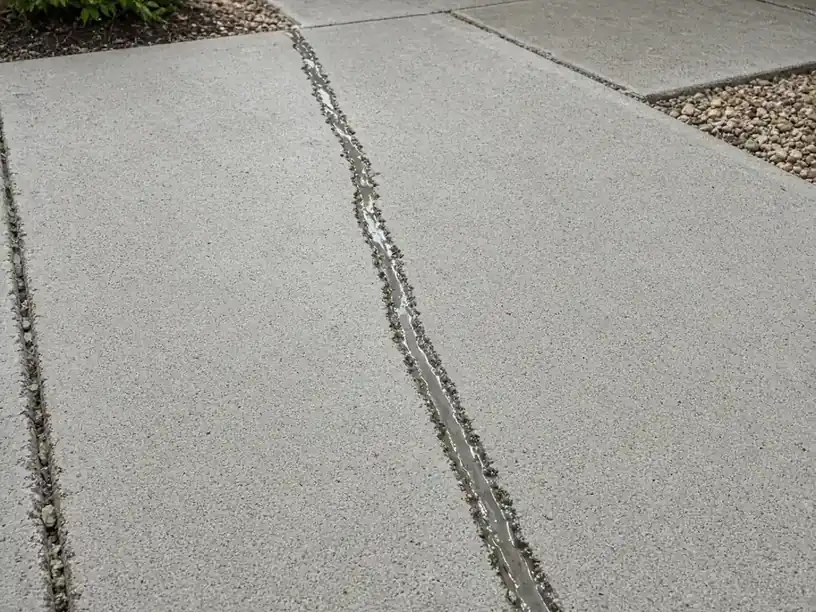
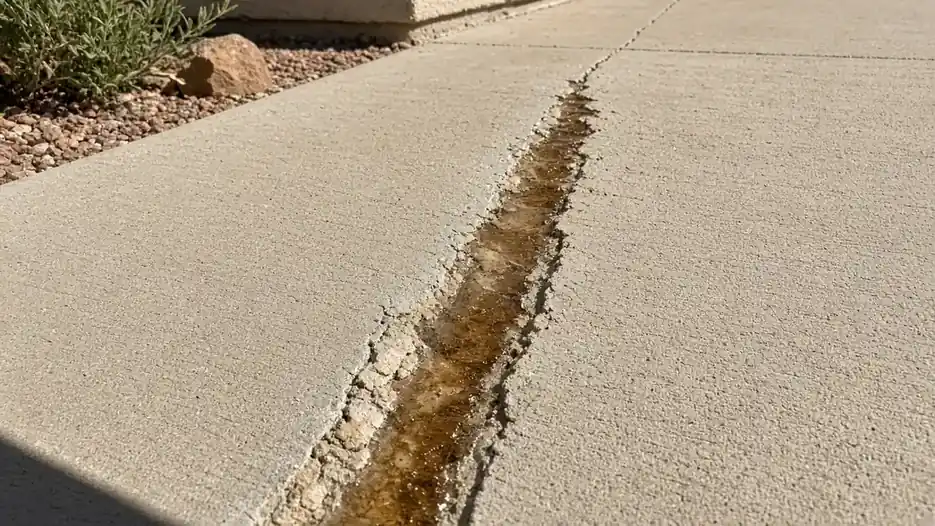
Cracks
Thin, straight cracks are common and often cosmetic. For causes like heat, shrinkage, monsoon moisture and soil movement, see why concrete cracks in Phoenix. Wide, jagged or offset cracks point to movement under the slab. We read the crack first, then choose the repair.
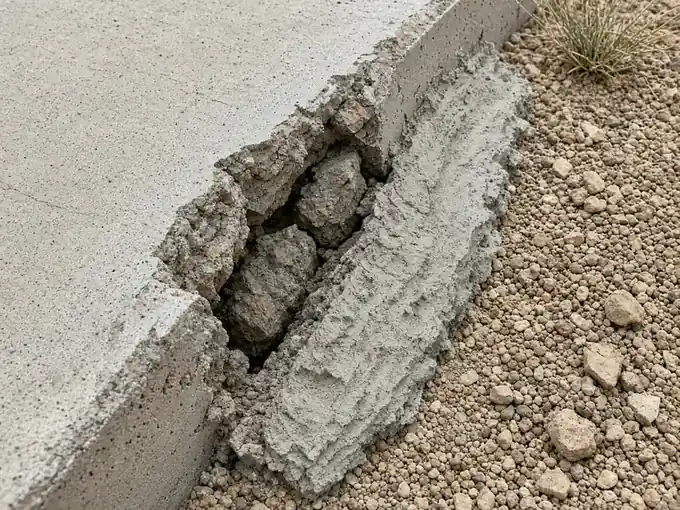
Spalling and flaking
The surface peels or crumbles. Causes include poor finishing, water, de-icing salts elsewhere and weak mix. We grind back to sound concrete and rebuild the surface.
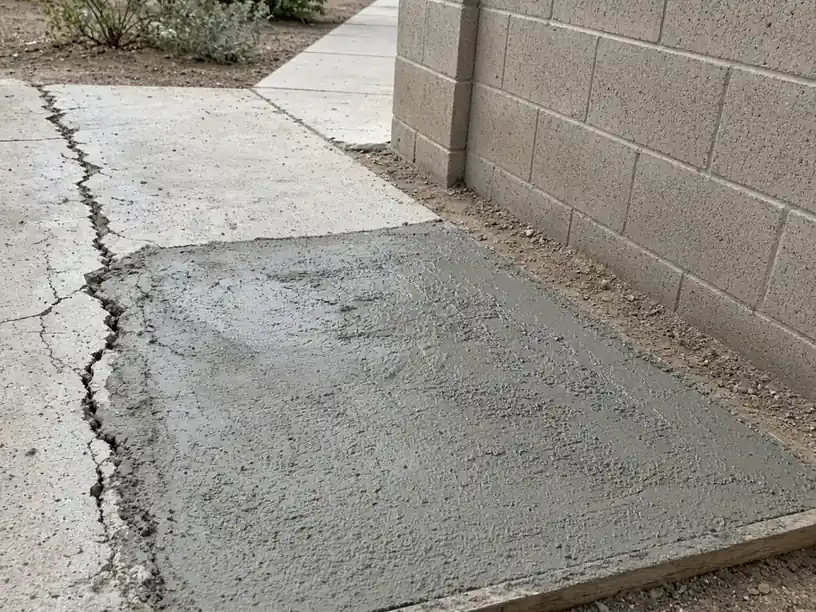
Sunken and uneven slabs
A low corner or a raised edge sends water the wrong way and trips people. The fix depends on why the soil moved.
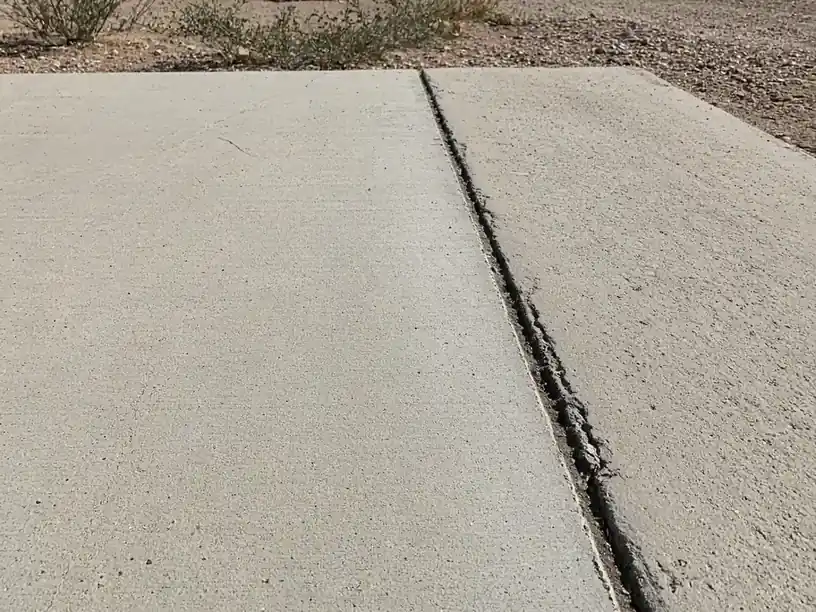
Edge and joint damage
Edges chip and joints open where traffic and water attack them. We cut out the damage and rebuild the edge.
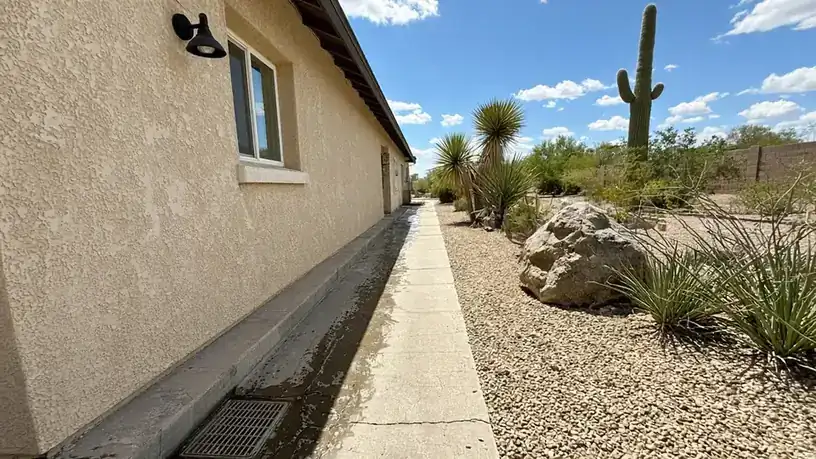
Standing water
Water that will not leave points to a grade problem. We fix the slope or the drainage, not just the surface.
Surface wear and stains
Sun, tires and chemicals wear a surface down. A resurfacing or sealing job can bring it back when the slab underneath is sound.
Which cracks can be repaired, and which mean trouble?
Most hairline cracks are harmless and can be sealed. A crack that is wide, growing, offset or paired with a sunken slab is not. Those point to movement, water or a failed base, and they need the cause fixed first. We read the crack, test the slab and tell you which kind you have.
Hairline cracks, slab level
Usually means normal shrinkage.
Yes, seal or fill
Crack wider than a pencil line, growing
Usually means movement or a weak base.
Repair after we find the cause
One side of the crack higher
Usually means the soil settled.
Repair may not hold; consider lifting or replacing
Cracks near a downspout or low spot
Usually means water is undermining the slab.
Fix the drainage first, then repair
Crumbling edges or flaking surface
Usually means surface failure.
Rebuild or resurface
Cracks across most of the slab
Usually means a failed base or overload.
Usually replace
Describe what you see, and we will tell you which case you are in. If the slab is new and already cracked, start with our guide to whether new concrete cracking is normal and who may be responsible.
How we repair concrete cracks
The right repair depends on whether the crack moves. We match the material to the movement.
Stable cracks
can be bonded with a rigid epoxy. Epoxy can restore strength across the crack.
Moving cracks
need a flexible filler. A rigid material would crack again beside the old crack. Flexible polyurethane and polyurea products move with the slab. Products we use: product choices are confirmed for the job conditions.
Wide cracks and damaged edges
are cut out and rebuilt with repair mortar.
Surface damage
is ground, cleaned, profiled and resurfaced.
Prep decides how long a repair lasts. The crack must be clean, dry and open enough to take the material. The International Concrete Repair Institute at icri.org publishes guidance on concrete repair methods and surface preparation.
Why Phoenix concrete fails
Most concrete fails underneath. Phoenix gives it three ways to do that.
Water
The National Weather Service counts monsoon season from June 15 to September 30. One storm shows every low spot. Water that stands beside a slab carries away the soil that holds it up.
Heat
A hot, dry day pulls water out of fresh concrete fast. The surface dries before the slab gains strength, and it cracks. The American Concrete Institute publishes guidance on hot-weather concreting.
Soil
Much of the Valley sits on caliche, a hard layer of calcium carbonate that slows digging. Other lots have clay that swells and shrinks with moisture. Both shift slabs over time.
Repair needs differ across Phoenix
The City of Phoenix reports that much of the housing in the Camelback East village dates to 1950–1970. Slabs that old sit on old bases, so we test before we promise a repair. In Laveen, open ground sits between the Salt River and South Mountain Park.
Water crosses the whole lot there, so drainage comes first. In Ahwatukee Foothills, slope and soil near the mountain edge decide the plan.
How much does concrete repair cost in Phoenix?
The price depends on the type of damage, the area, the cause and the repair method. Access and demolition add to it. A drainage fix adds more than a crack seal, and a base repair adds more than both. We price after we see the damage.
Our repair prices: quoted after a site visit.
We do not quote from a phone call. Describe the damage, and we price from what you tell us.
Every job is quoted from a site visit. A repair costs less than replacement when the slab is sound. When the base has failed, a repair costs money and buys only months.
How a repair job runs
01
You contact us
Describe the damage.
02
We look at the slab
We check cracks, level, drainage, soil and the age of the concrete.
03
You get a free estimate
It lists the cause, the repair and the price. It offers replacement as an option when it fits.
04
We prepare the damage
Cutting, grinding, cleaning and drying.
05
We repair
Fill, bond, patch or resurface, matched to the damage.
06
We cure it and walk the job with you
Time before traffic: set so the slab or coating can gain strength.
Equipment on repair jobs
details confirmed on the estimate
Grinders prepare the surface. Crack chasers open the crack for filler.
Injection equipment places epoxy and flexible fillers. Mixers and pumps handle patch materials. Levels and lasers check slope after the repair.
Before and after
Crack repair
A wide, moving crack filled with flexible material. [BEFORE PHOTO] → [AFTER PHOTO]
Spall repair
A flaking surface ground and resurfaced. [BEFORE PHOTO] → [AFTER PHOTO]
What our customers say
“
Brian Clark
“Several driveway cracks had appeared at our Glendale property. We wanted an assessment to help decide whether localized repairs or replacement made more sense.”
Glendale, AZ · Concrete Crack Repair
“
Jessica Foster
“We had areas of deteriorating concrete around our Maryvale home. Understanding the condition of the surface helped us decide which repair options to consider.”
Maryvale, Phoenix, AZ · Concrete Resurfacing
“
Thomas Evans
“Our walkway had uneven sections that needed attention. We wanted to understand the extent of the problem and whether the affected slabs needed replacement.”
North Phoenix, AZ · Uneven Concrete Repair
Where we work
We work across Phoenix. Not sure about your address? Ask us on the contact page. see our service areas page.
Frequently asked questions
Related concrete services
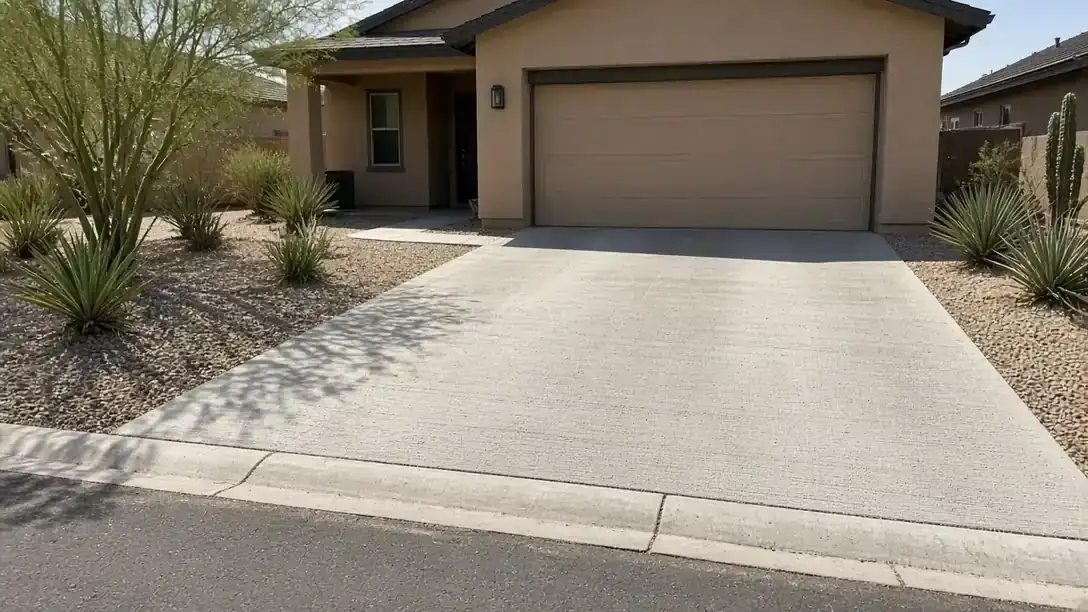
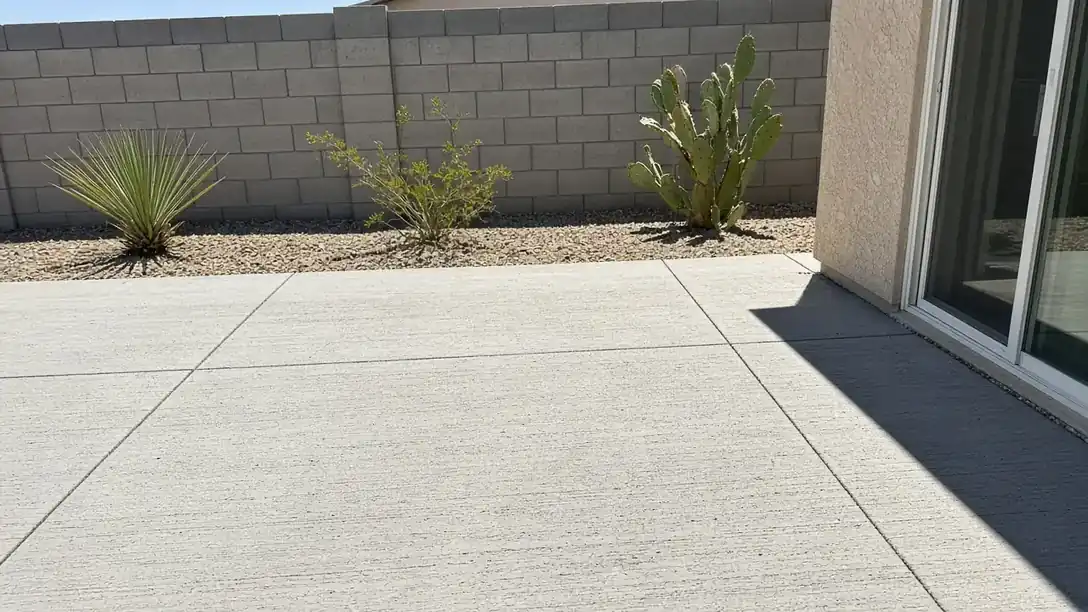
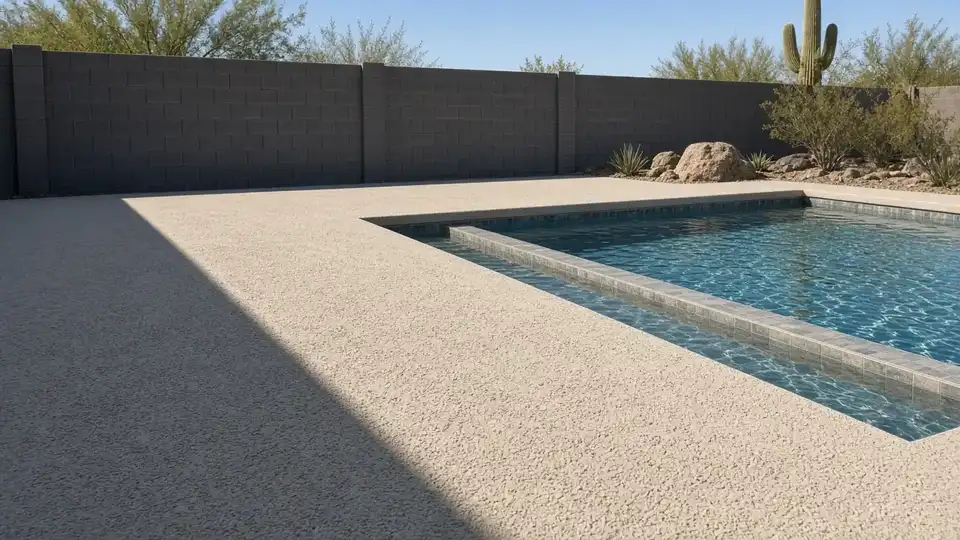
When repair is not enough, replacement is next. Concrete driveways covers new drives. Concrete patios covers new pads. Pool deck resurfacing covers decks.
Request your free repair estimate
Describe the damage. We will get back to you with a free estimate.
Concrete repair details