
Licensed Arizona Concrete Contractor · Founded 2016
Concrete Slabs and Foundations in Phoenix, AZ
We pour concrete slabs for garages, sheds, workshops, equipment and RV pads in Phoenix. Each slab starts with the soil and the load. Concrete foundation work for buildings follows engineered plans, and we tell you up front what we take on.
Credential
Licensed AZ Contractor
Tenure
Founded 2016
Roots
Local Phoenix Team
Upfront
Free Estimates
Climate Spec
Heat, Monsoon & Soil
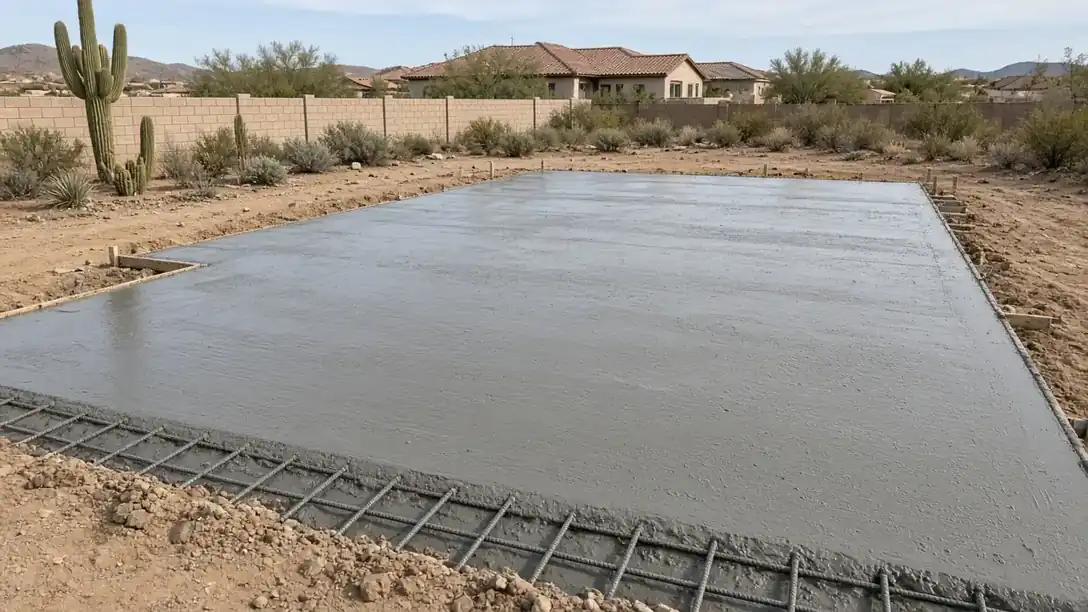
Proven Arizona Heritage
Serving Phoenix property owners since 2016
Slab and foundation work we do
Garage slabs
A garage slab carries cars, tools and the occasional hot-tire skid. We pour it flat, reinforced and sloped toward the door so water leaves.
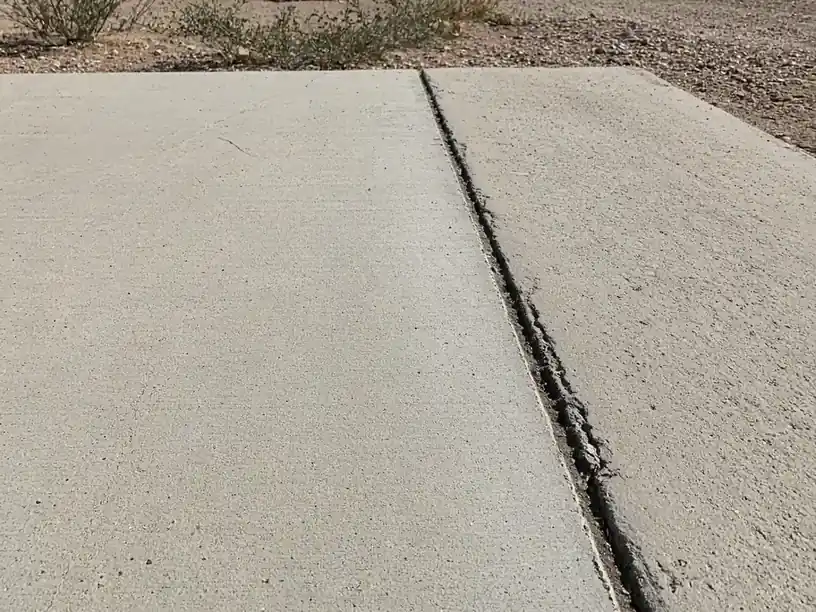
Shed and workshop slabs
A workshop floor takes benches, machines and heavy shelves. We size the thickness and the reinforcement to that load.
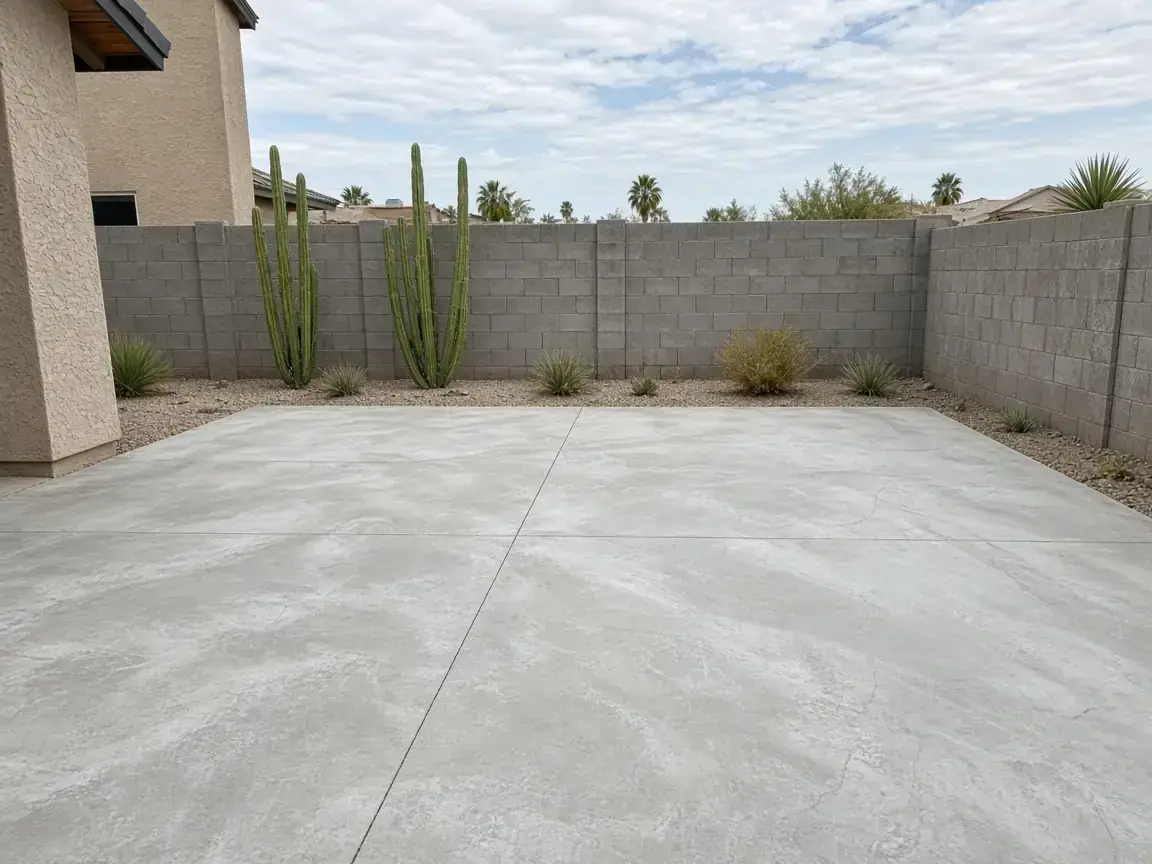
Equipment pads
Air conditioners, generators, pool equipment and outdoor machines need level, solid pads. We build them with clear edges and drainage.
RV and trailer pads
An RV puts concentrated weight on small areas. These pads need more thickness and a firmer base than a car slab. Thickness we pour for RV pads: matched to the load and conditions on site.
Reinforced and structural slabs
Some slabs carry walls, posts or heavy loads. They need engineered plans, and often a permit. Scope of structural and foundation work we take on: scope and qualifications are confirmed after review.
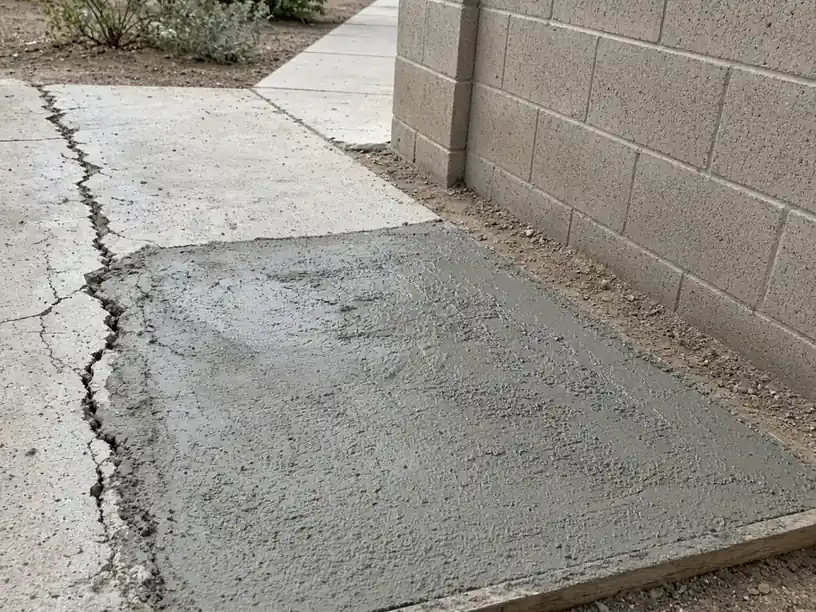
Slab replacement
A slab that has sunk, cracked across most of its area or failed its base gets removed and rebuilt. See concrete repair for slabs that can still be saved.
Concrete foundation or slab: which does your project need?
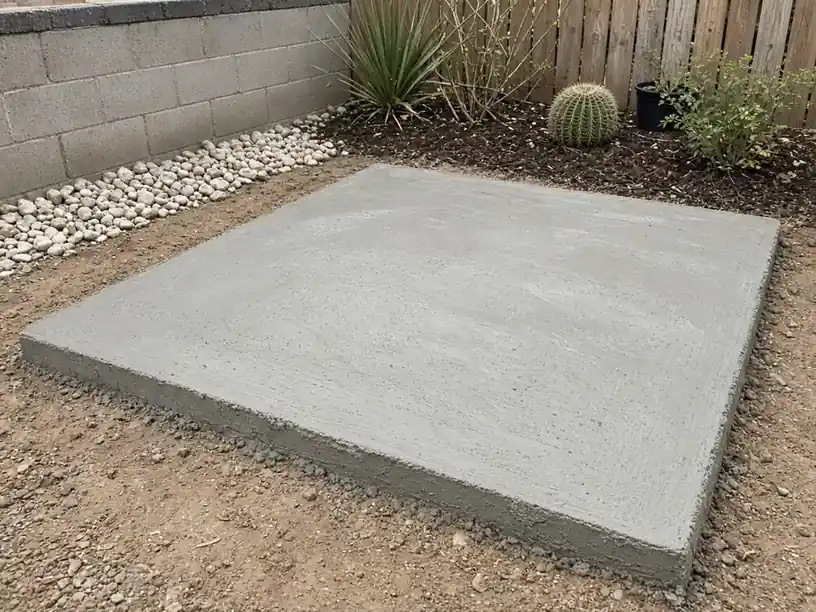
A slab is a flat pad. A foundation holds up a structure. Many garages, sheds and equipment pads need only a slab. A room addition, a workshop with walls or a building on a slope needs a foundation designed for it.
If you are not sure, send the plans or a sketch. We will tell you what we can pour and what needs an engineer first.
What is a stem wall foundation?
A stem wall is a short concrete wall that rises from a footing and carries the building above the soil. It lifts the structure off the ground and lets the floor sit level on sloped or stepped lots. Many Phoenix-area lots are flat, and a plain slab on grade often does the job. Hillside lots change that.
Which one fits your project depends on the lot, the soil and the plans. A structural engineer or the City sets the requirement. For a plain-language overview, see our slabs and foundations service.
Why Phoenix slabs crack and settle
Soil
Much of the Valley sits on caliche, a hard layer of calcium carbonate. It slows digging and can leave a slab with uneven support.
Angi estimates caliche can add $500 to $2,000 to excavation. Other lots hold clay that swells when wet and shrinks when dry. A slab on that soil moves.
Water
The National Weather Service counts monsoon season from June 15 to September 30. Water that stands beside a slab carries away the soil that holds it up. Grade and drainage matter as much as thickness.
Heat
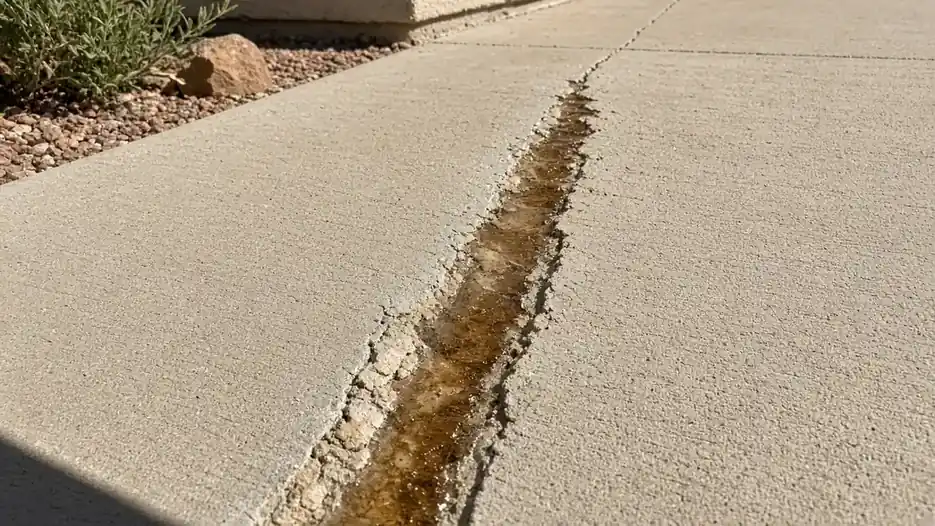
A hot, dry day pulls water out of fresh concrete fast. The surface dries before the slab gains strength, and it cracks. Read why concrete cracks in Phoenix for hot-weather and curing context. The American Concrete Institute publishes guidance on hot-weather concreting. Early pours and quick curing are standard here.
Load
Cars, RVs, machines and walls all push down. The base and the thickness must match the heaviest thing the slab will carry.
How we build a slab that lasts
The parts you never see matter most.
01
Site evaluation
We check the soil, grade, access and any old concrete or utilities.
02
Excavation and base
We dig to depth, compact the base and grade it to drain.
03
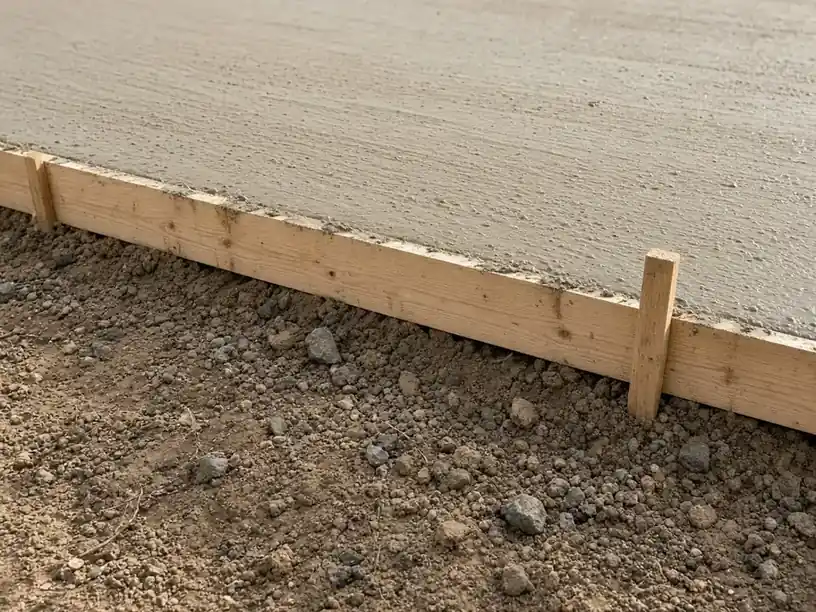
Forms and reinforcement
Forms set shape and thickness. Rebar or mesh holds the slab together. Reinforcement we use: matched to the load and conditions on site.
04
Placement and finish
We place, strike off and finish the slab to the right surface for its use.
05
Joints
Control joints tell the slab where to crack. The American Concrete Institute’s guide to concrete floor and slab construction covers joint layout.
06
Curing
We start curing right after finishing, not the next day. Cure time before loading: set so the slab or coating can gain strength.
Slab thickness and mix strength for garage and workshop work: matched to the load and conditions on site.
Permits, engineering and utilities
Rules depend on what the slab will carry. A simple pad on your own lot may need little.
A slab under a structure, wall or garage often needs plans and a permit. Confirm with the City of Phoenix Planning and Development before you pour. We help you ask the right questions.
Arizona 811 must mark underground utilities before anyone digs. Call at least two full working days ahead. Marks last 15 working days, so long jobs need a refresh. Maricopa County’s Rule 310 also covers dust from digging and grading, whatever the size of the site.
An HOA may review sheds, workshops and RV pads, so ask for the guidelines early.
What a concrete slab costs
Slab size, thickness, reinforcement, base work and access set the price. Caliche, slope and utilities add to it. A slab that carries a structure costs more than a simple pad, because the base and reinforcement carry more load.
Every job is quoted from a site visit.
Slabs across Phoenix
Different parts of Phoenix call for different slabs. In Laveen, open ground between the Salt River and South Mountain Park suits larger workshop and RV pads.
In Deer Valley, larger lots south of the Central Arizona Project aqueduct also lead to RV and equipment pads. In Ahwatukee Foothills, below South Mountain, slope can push a project toward stem walls or stepped footings.
How a slab job runs
01
You contact us
Describe what the slab will carry, and send plans if you have them.
02
We look at the site
Soil, grade, access, utilities and any HOA or permit needs.
03
You get a free estimate
It lists the scope, the base, the reinforcement and the price.
04
We prepare
Utilities marked, excavation, base and forms.
05
We pour and finish
Reinforcement, concrete, finish and joints.
06
We cure and hand over
Typical timeline: a few days on site in typical conditions.
What our customers say
“
James King
“We needed a concrete slab for a backyard shed in Queen Creek. Getting the dimensions and intended use sorted out before installation was important.”
Queen Creek, AZ · Shed Slab
“
Rebecca Miller
“Our garage project needed a concrete slab that suited the planned structure. We wanted site preparation and relevant soil conditions considered first.”
Scottsdale, AZ · Garage Slab
“
Eric Foster
“We needed an equipment pad for an outdoor installation in Phoenix. The dimensions, load requirements, and site preparation were key parts of planning the job.”
Phoenix, AZ · Equipment Pad
Frequently asked questions
Related concrete services
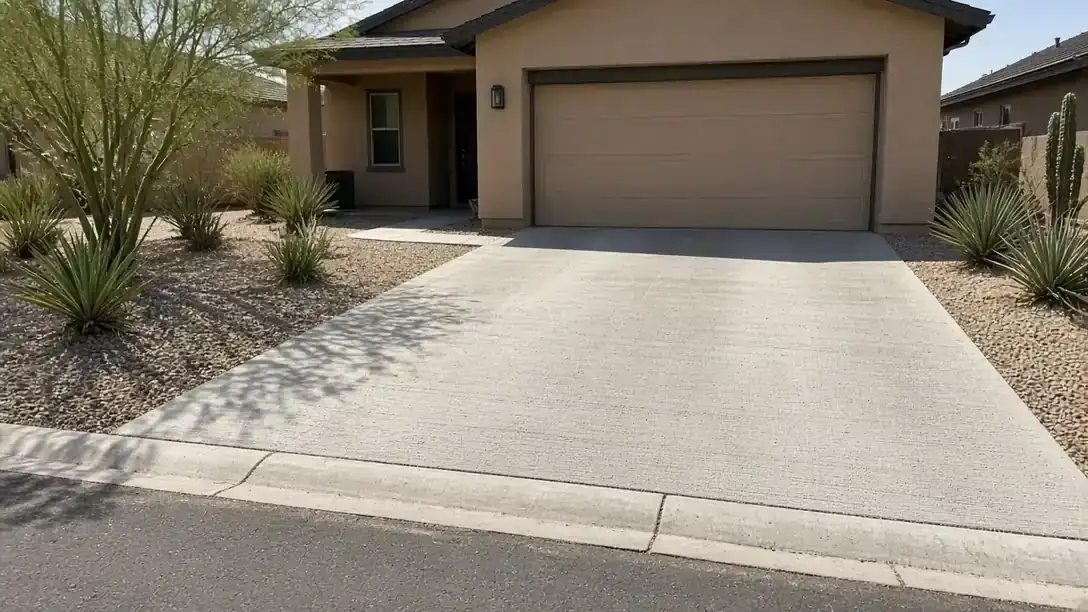
Slab work often connects to other jobs. Concrete driveways cover the pad outside the garage.
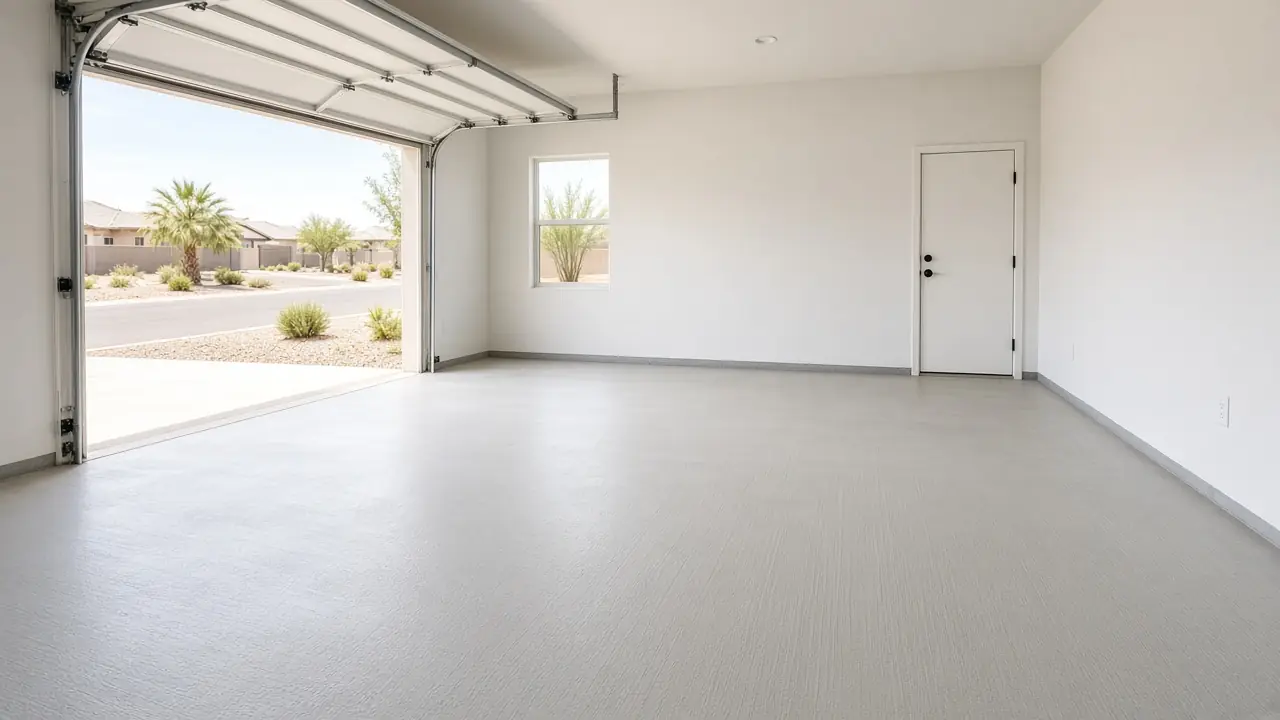
Garage floor coatings finish the slab. Concrete repair handles cracks and settlement. Commercial concrete covers business pads and flatwork.
Request your free slab estimate
Tell us what the slab will carry and where it goes. We will get back to you with a free estimate.
Slab and foundation details