
Licensed Arizona Concrete Contractor · Founded 2016
Warehouse Flooring in Phoenix, AZ
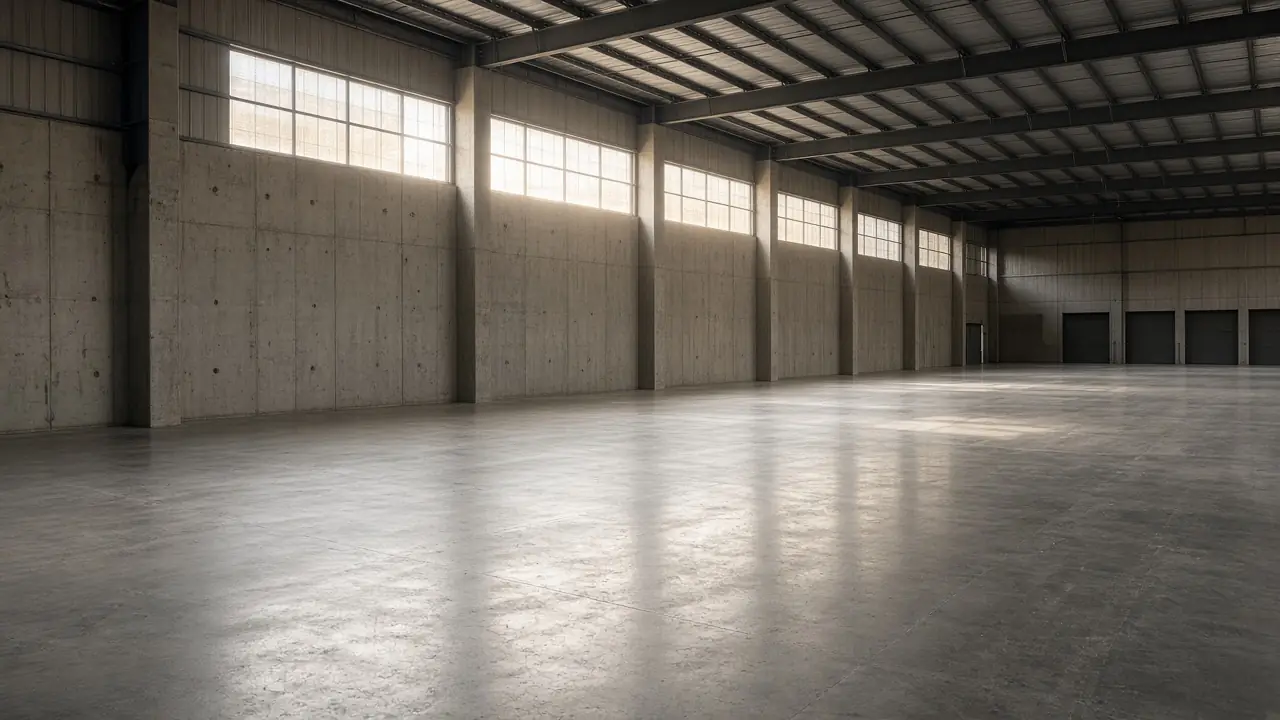
Warehouse flooring takes a beating from forklifts, pallets and racking. We repair joint damage, patch worn lanes and replace failed slabs in Phoenix industrial buildings. We plan every job around your operation.
Credential
Licensed AZ Contractor
Tenure
Founded 2016
Roots
Local Phoenix Team
Upfront
Free Estimates
Climate Spec
Heat, Monsoon & Soil
Proven Arizona Heritage
Serving Phoenix property owners since 2016
Warehouse floor work we do
Joint repair
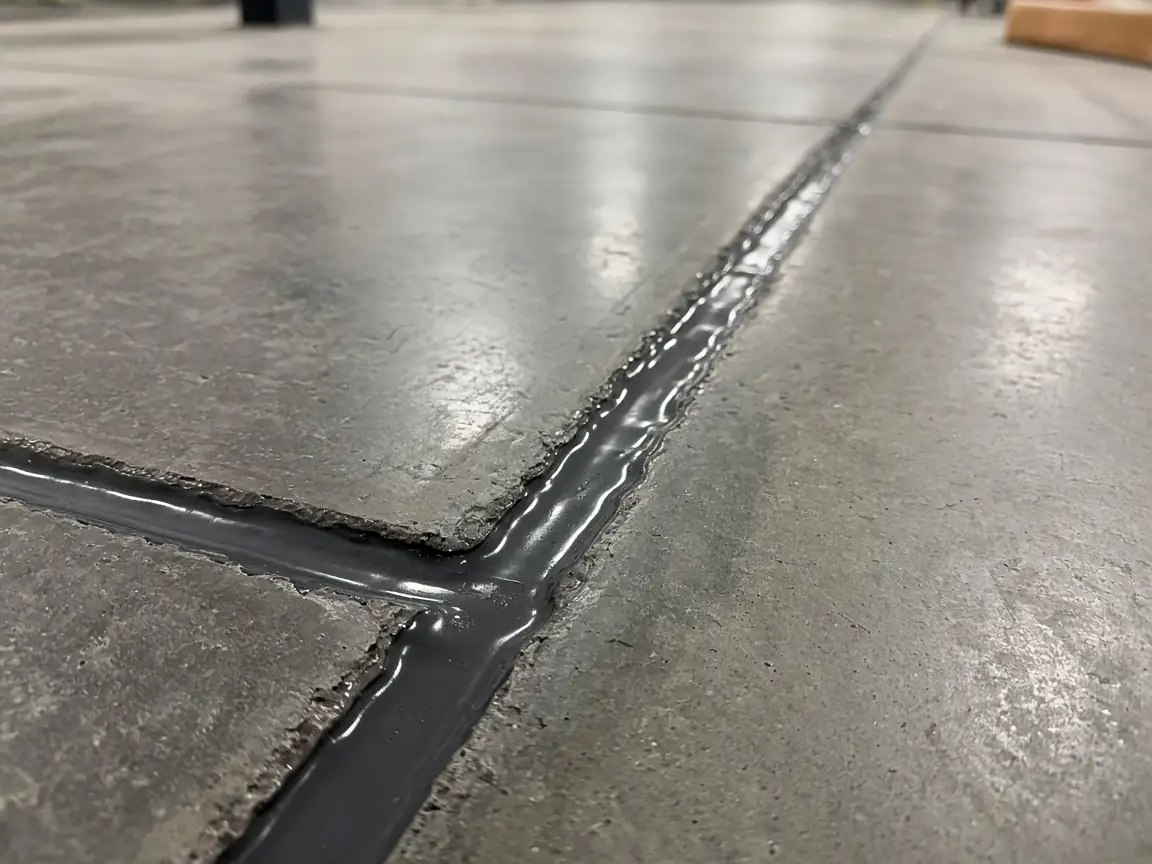
Joints are where forklifts do the most harm. We cut out the broken edges, rebuild them and fill the joint with a material made for wheeled traffic.
Slab repair and patching
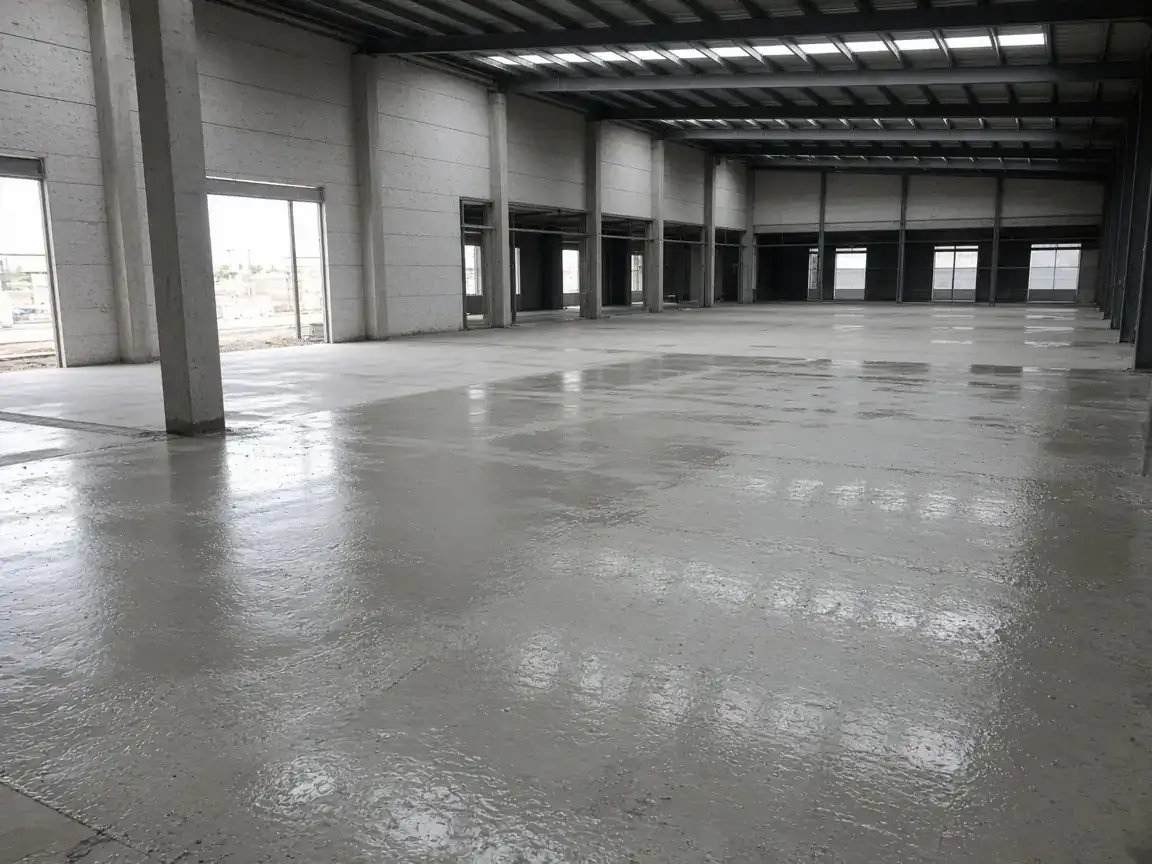
Cracks, spalls and holes get repaired with materials chosen for load and cure time. We match the repair to how fast you need the lane back.
Surface wear and abrasion
Worn, dusting or pitted floors can be ground, sealed or resurfaced. Surface treatments we offer: product choices are confirmed for the job conditions.
New slabs and slab replacement
Failed slabs get removed and rebuilt. We match the base and reinforcement to racking and truck loads.
Floor preparation
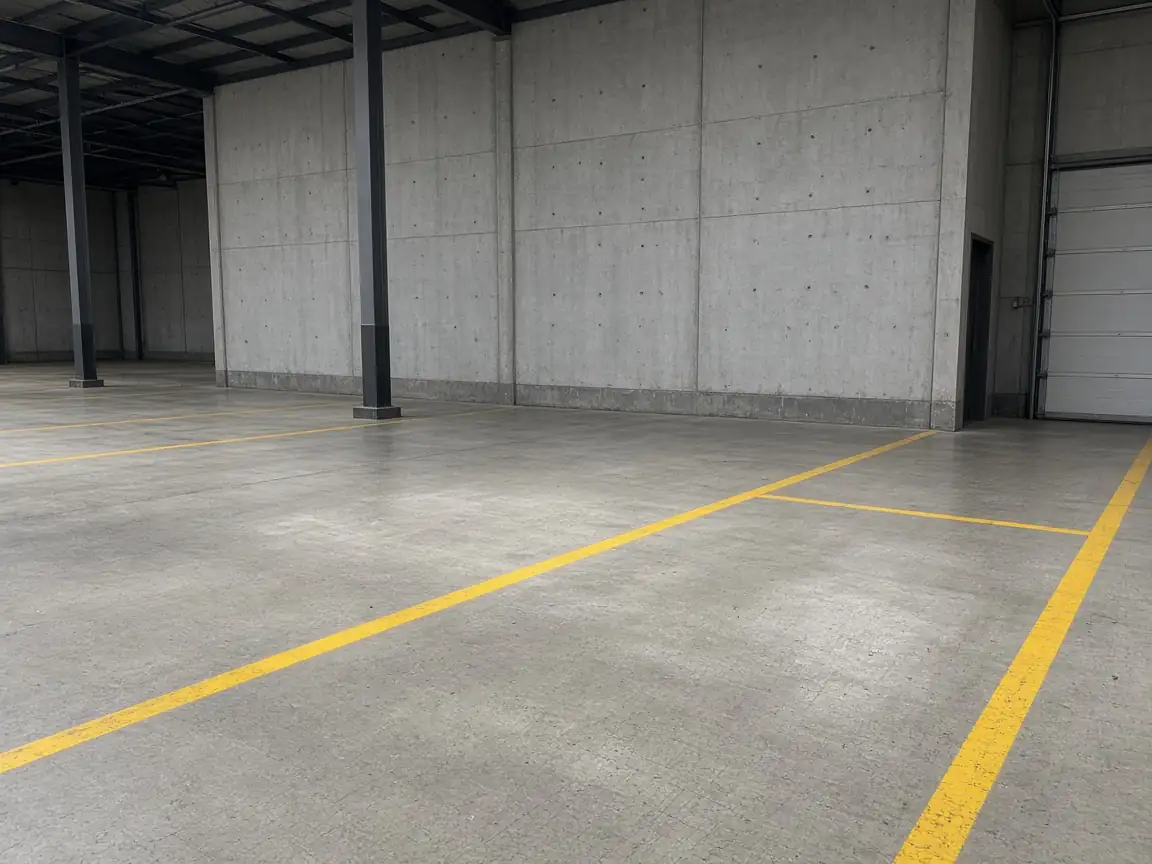
Before you coat, seal or install racking, the slab must be sound, level and clean. We prepare it.
Dock and loading apron concrete
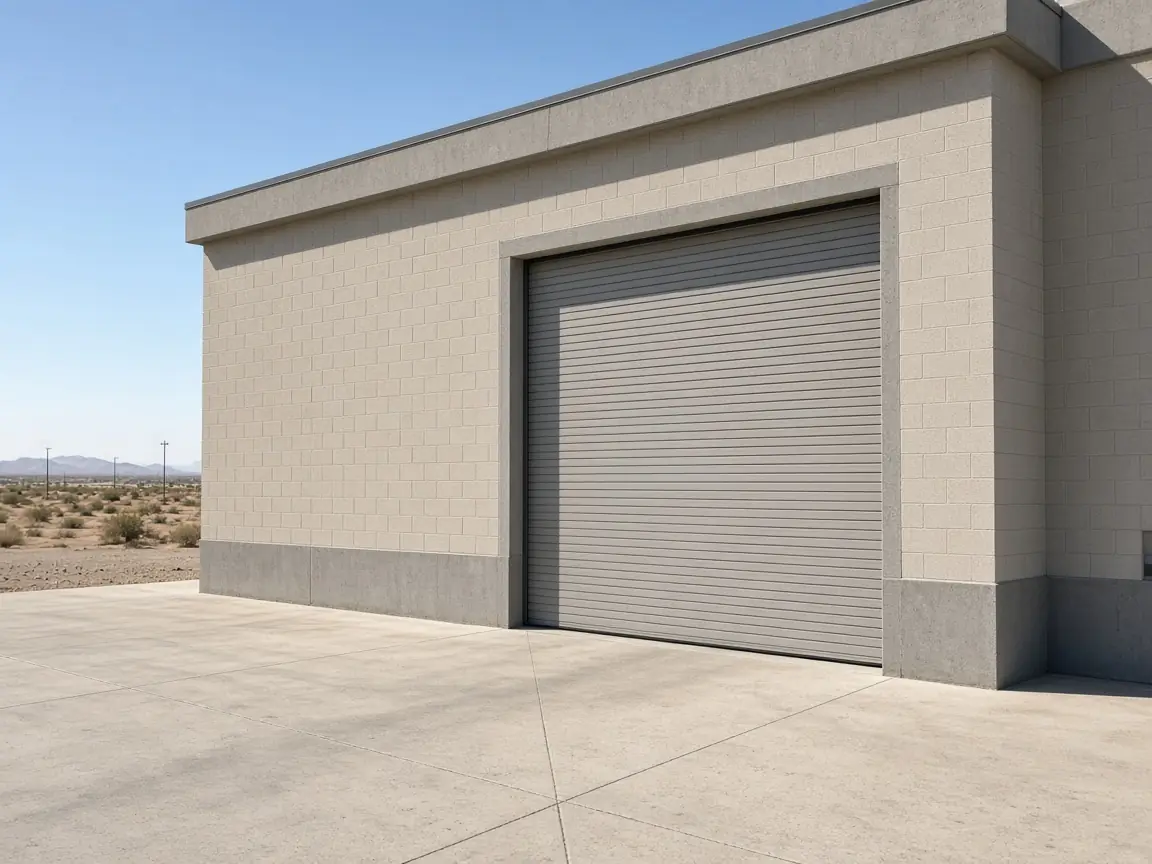
Loading areas take the heaviest wheels. For exterior aprons and site flatwork, see commercial concrete.
What causes warehouse floor joint damage?
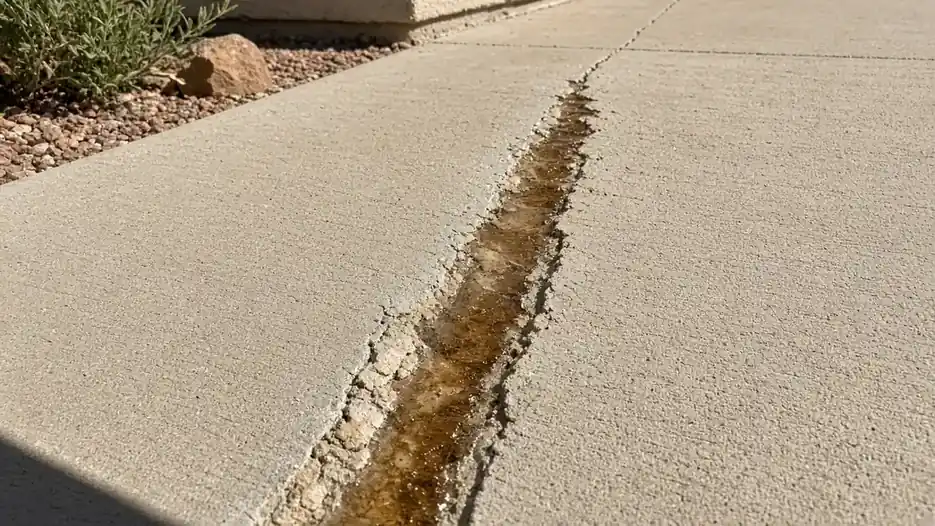
Most joint damage starts with traffic and a gap. Forklifts have small, hard wheels, and each time one crosses a joint, it hits the edge. Over time, the edges chip, crumble and widen. Missing filler, curled slab edges, heavy loads and water under the joint speed it up.
Four things speed it up.
Open or unfilled joints
An empty joint has no support at the edge, so the edge breaks.
Hard-wheeled traffic
Loaded forklifts and pallet jacks concentrate weight on small areas.
Slab movement
Concrete shrinks as it dries. Joints open, and the slab edges curl up. A curled edge gets hit first.
Wrong filler
A joint filler that is too soft shears off. One that is too rigid cracks when the slab moves. The filler must match the traffic.
The American Concrete Institute’s guide to concrete floor and slab construction covers joint layout and filling. Prompt repair costs far less than waiting until the edges are gone. Prompt attention matters — see our warehouse flooring service for how we approach joint damage.
Which joint filler fits your traffic
Not every filler suits every floor. Soft sealants keep water and dirt out, but they do not support the edge under hard wheels. Semi-rigid fillers support the edge and still allow some movement. Rigid fillers support the edge best, and they crack if the slab moves a lot.
The right one depends on wheel type, load and joint width. We match the filler to the traffic, then check the joint again after the first season. Fillers we use: product choices are confirmed for the job conditions.
Repairing joints without shutting down the warehouse
Often yes. Warehouses cannot stop for long, so we plan repair by lane or bay.
Section the work
We close one aisle or bay at a time and route traffic around it.
Use fast-cure materials
Some repair materials return to service in hours. Which ones fit depends on the damage and the temperature. Cure times we plan for: set so the slab or coating can gain strength.
Work off-shift
Nights and weekends keep daytime shipping moving. Hours we work: schedule is set around access and curing needs.
Control dust
Cutting and grinding make dust. We use vacuum shrouds and clean up before you reopen. Maricopa County’s Rule 310 covers fugitive dust from construction and demolition.
Tell us your shifts, your busiest lanes and what cannot close. We build the plan around it.
When a warehouse floor needs replacing
Repair works when the slab is sound. Replace when it is not.
Chipped or crumbling joint edges
Usually means joint damage.
Repair and refill
Isolated cracks, slab level
Usually means normal movement.
Seal or fill
Slab edges curled or rocking
Usually means curling or loss of support.
Assess; grind or replace the section
Wide cracks, steps between panels
Usually means base failure.
Repair the base and slab, or replace
Worn, dusty or pitted surface
Usually means surface wear.
Grind and seal, or resurface
Widespread failure
Usually means failed slab or base.
Replace
We check the slab and the base before we promise a repair. See concrete repair for more on how we decide.
Floor flatness, levelness and racking
Some warehouses need flat, level floors. Narrow-aisle trucks and high racking depend on them. Floor flatness and levelness are measured against standards like ASTM E1155. A new slab can be built to a target, and an existing floor can sometimes be ground to improve it.
Tell us what equipment runs on the floor and how high the racking goes. We recommend what the slab can support. Flatness targets we pour to: matched to the load and conditions on site.
Why warehouse floors fail in Phoenix
Heat
Hot, dry air pulls water from fresh concrete fast. The surface dries before the slab gains strength, and it cracks. The American Concrete Institute publishes guidance on hot-weather concreting. We pour early and cure right away.
Soil
Much of the Valley sits on caliche, a hard layer of calcium carbonate that slows digging. Other sites sit on clay that swells and shrinks with moisture. Uneven support lets slabs crack and settle.
Load
Racking posts and loaded forklifts push on small areas. A slab designed for lighter loads fails first at the joints.
Water
The National Weather Service counts monsoon season from June 15 to September 30. Water that enters through docks and doors can wet the base and weaken edges.
Warehouse flooring across Phoenix
Industrial buildings cluster along corridors such as I-17, Loop 101 and SR 51. Each site has its own loading pattern. Newer buildings may have tight joint spacing and high loads.
Older buildings may have old slabs, patchy repairs and unknown base conditions. We start by testing the slab and reading the repair history.
What warehouse floor repair costs
Area, damage type, material, access and schedule drive the price. Joint repair is usually priced by the linear foot. Slab repair and replacement are usually priced by area and thickness. Night work and phased work add cost.
Every job is quoted from a site visit.
How a warehouse floor job runs
01
You contact us
Tell us about the building and the damage.
02
We look at the floor
Joints, cracks, level, base and traffic lanes.
03
You get a free estimate
It lists the scope, the phasing plan and the price.
04
We prepare
Marking, cutting, grinding and cleaning, with dust controlled.
05
We repair or pour
Fill, patch, resurface or replace.
06
We cure and reopen
Typical timeline: a few days on site in typical conditions.
What our customers say
“
Matthew Harris
“Our warehouse floor in Phoenix experiences heavy daily traffic. We wanted the condition of the slab and worn areas assessed before deciding on repairs.”
Phoenix metro · Warehouse Floor Assessment
“
Steven Carter
“We noticed damage around several warehouse floor joints in Mesa. Understanding the extent of the wear was necessary before planning the repair work.”
Mesa, AZ · Warehouse Joint Repair
“
William Turner
“We were looking into concrete slab repairs for a high-traffic work area. The main priority was understanding the damage and suitable options for the facility.”
Tempe, AZ · Industrial Concrete Flooring
Frequently asked questions
Related concrete services
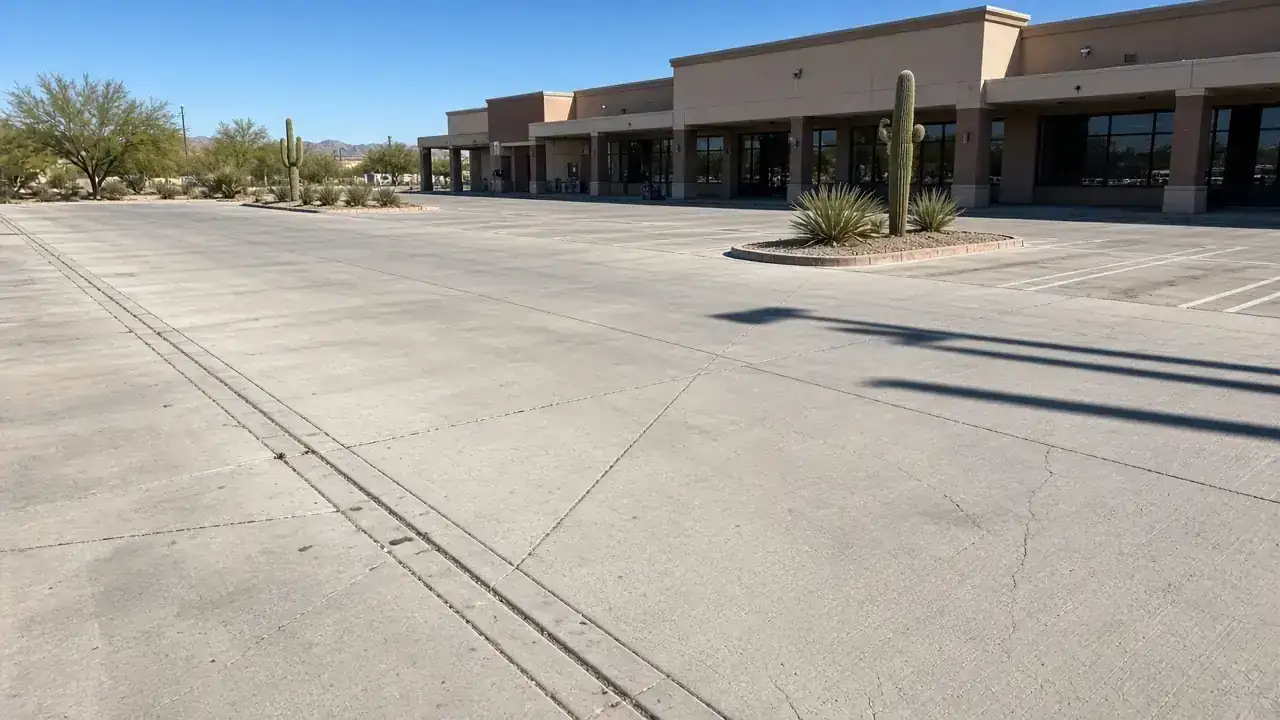
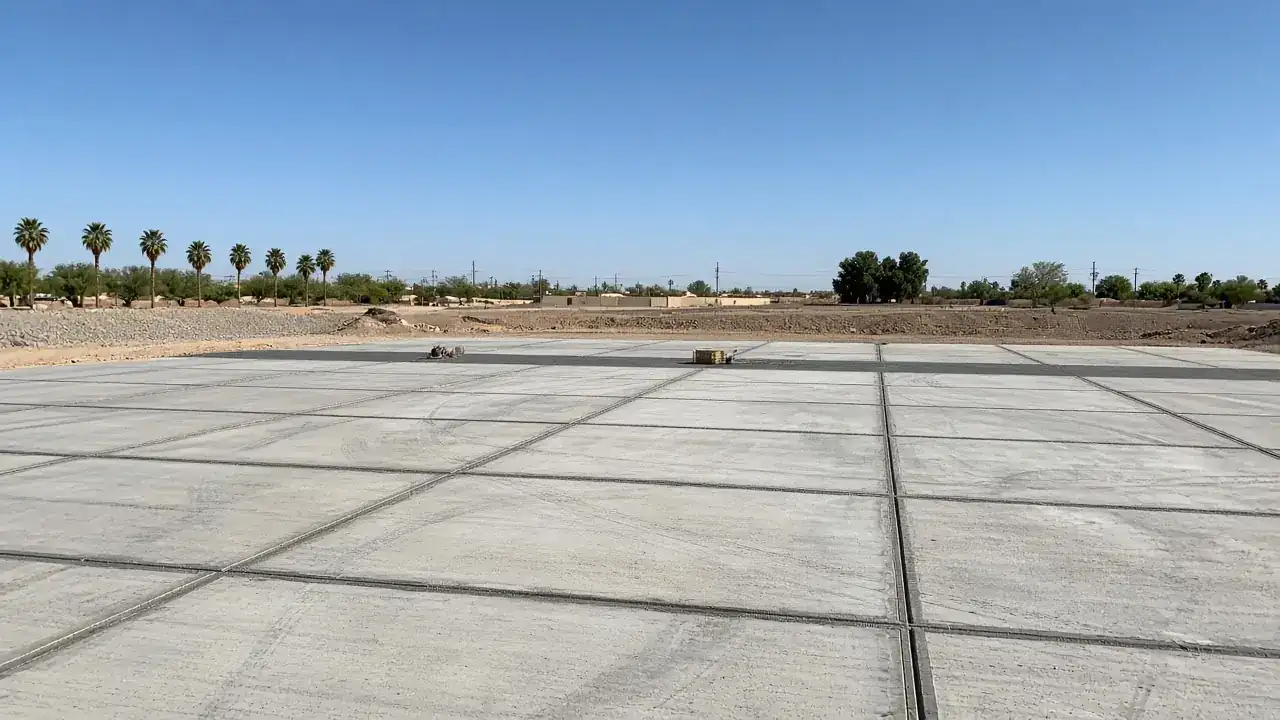
Warehouse work rarely stands alone. Commercial concrete covers aprons and site flatwork. Parking lots covers concrete lots and curbs. Concrete repair covers cracks and settlement.
Request your free warehouse floor estimate
Tell us about the building and the damage. We will get back to you with a free estimate.
Warehouse flooring details