Licensed Arizona Concrete Contractor · Founded 2016
Parking Lot Concrete in Phoenix, AZ
Broken panels and ponding water turn a parking lot into a liability. Our parking lot concrete work in Phoenix covers panel and curb replacement and drainage fixes. We keep your lot open while we work.
Credential
Licensed AZ Contractor
Tenure
Founded 2016
Roots
Local Phoenix Team
Upfront
Free Estimates
Climate Spec
Heat, Monsoon & Soil
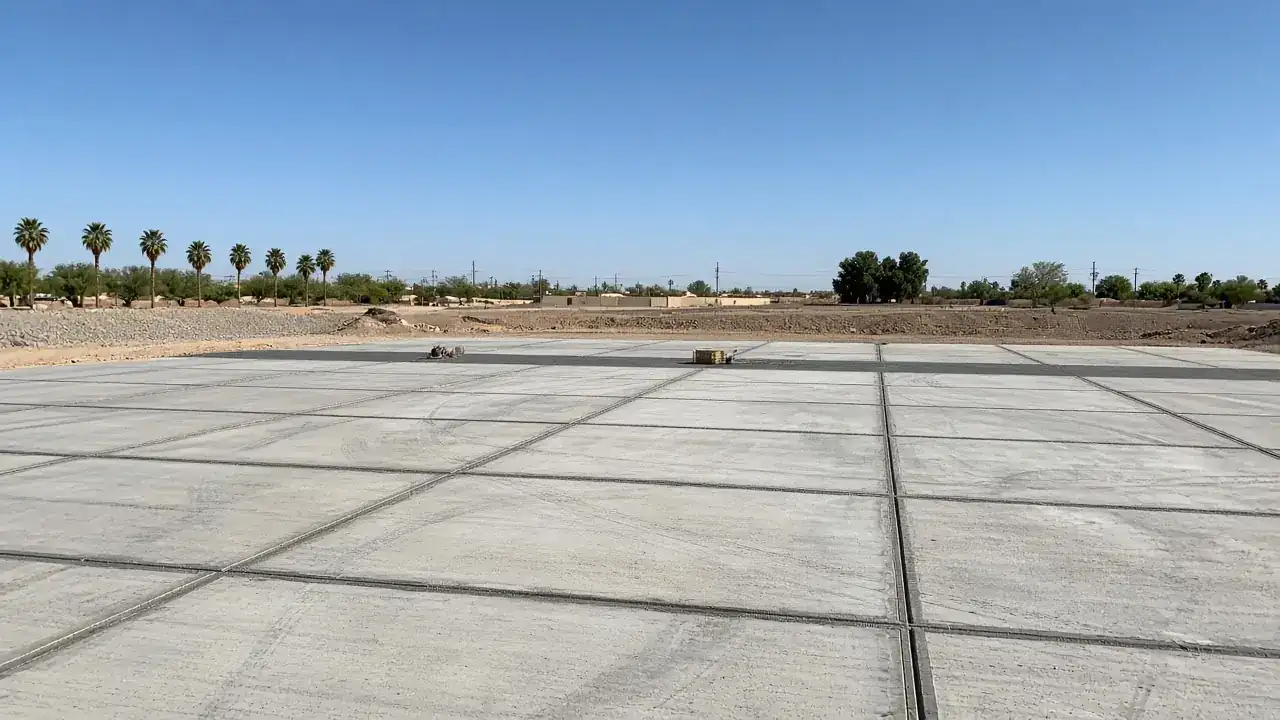
Proven Arizona Heritage
Serving Phoenix property owners since 2016
Parking lot concrete work we do
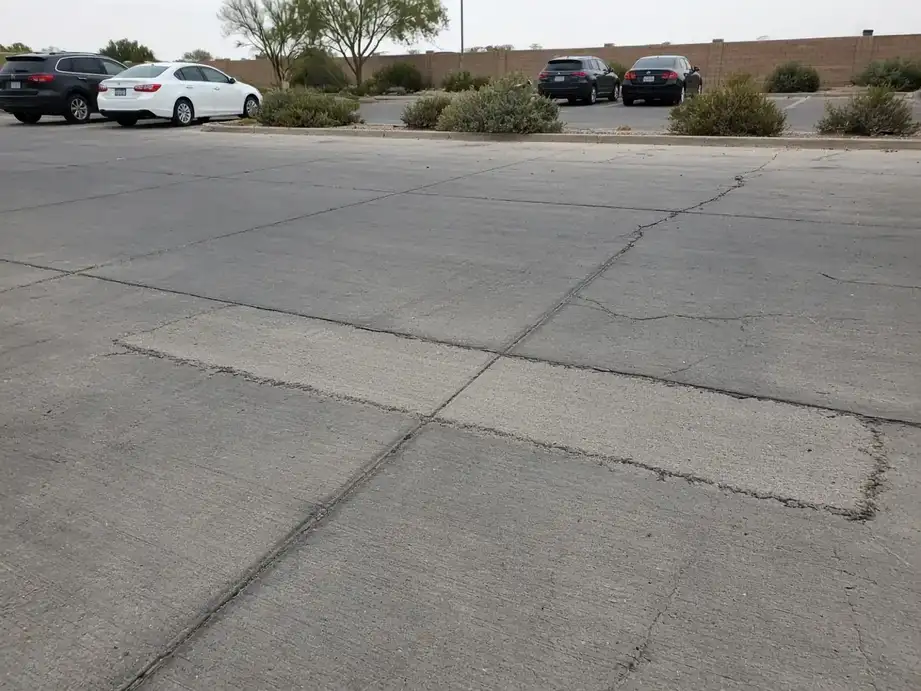
Panel replacement
Cracked, sunken or broken panels come out, the base gets rebuilt and new concrete goes in. Replacing a panel costs far less than rebuilding a lot.
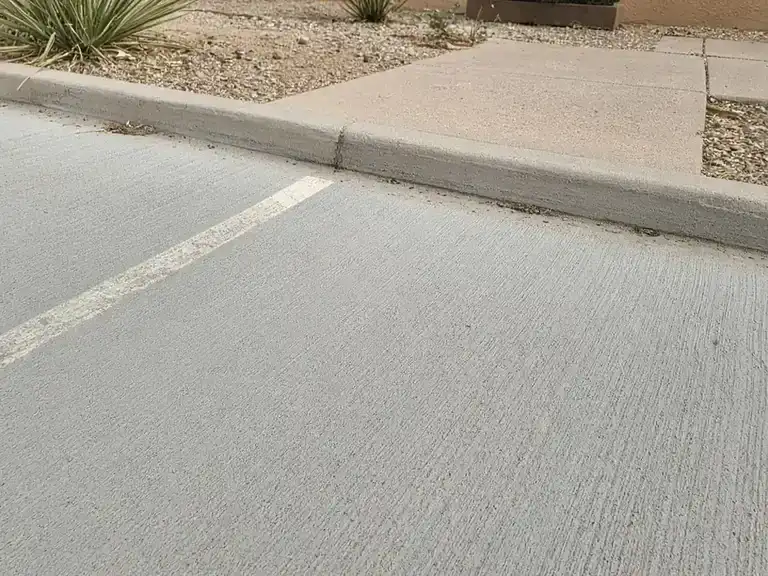
Curb and gutter
Chipped curbs and failed gutters send water the wrong way. We repair or replace them.
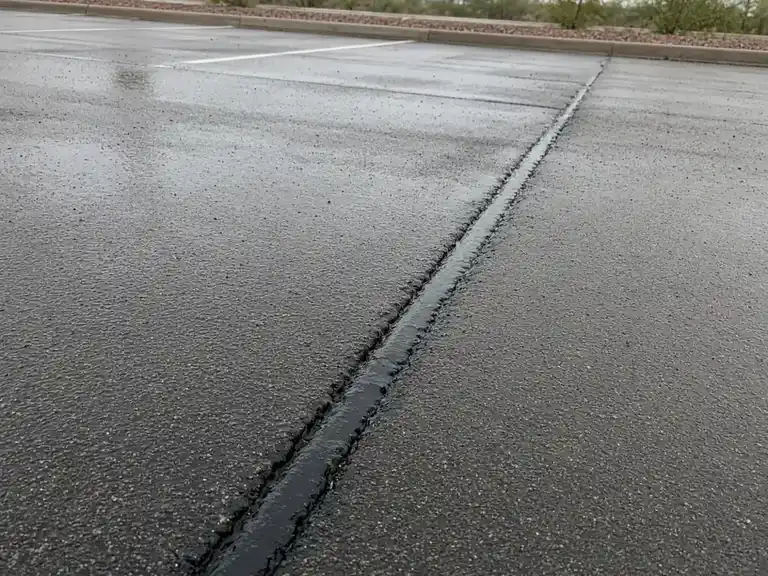
Drainage corrections
Ponding means the slope is wrong. We regrade, add channels or fix inlets so water leaves.
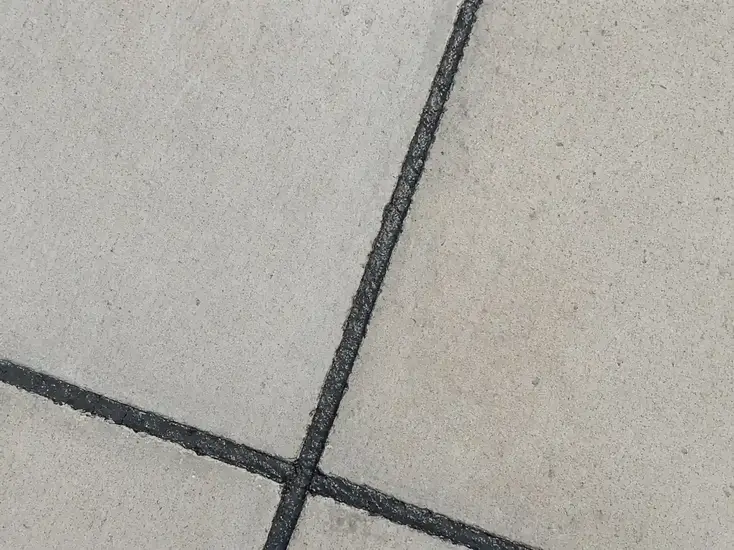
Joint repair and sealing
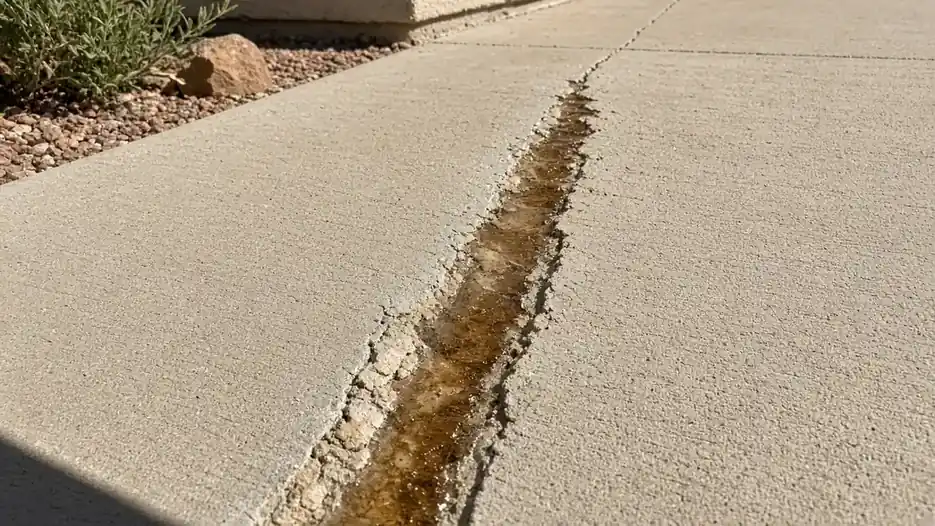
Open joints let water into the base. We clean, fill and seal them.
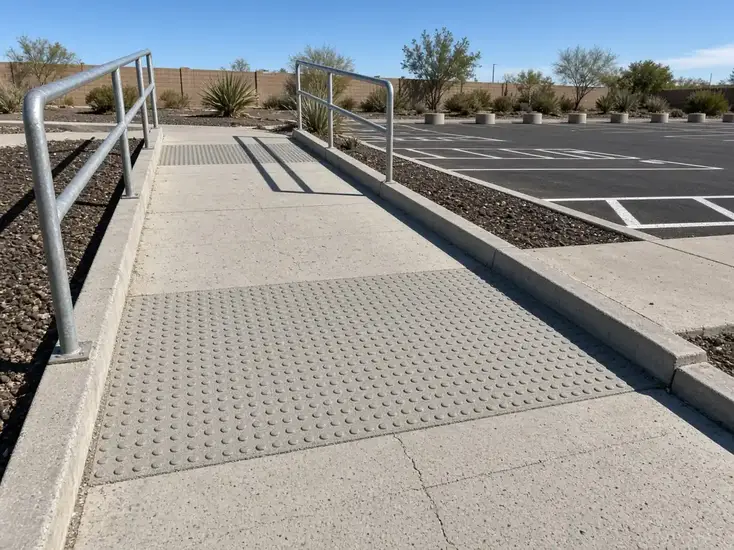
Accessible stalls and routes
Stalls, aisles and ramps must meet accessibility rules. We build and repair them to the plans.
Loading lanes and drive aisles
Truck lanes take heavy wheels. They need thicker slabs and stronger joints than parking stalls.
New concrete lots
For a new lot or a full replacement, we pour to the load and the plans. Reinforcement and thickness we use: matched to the load and conditions on site.
How we repair a damaged concrete parking lot
Repair what is sound, and replace what is not. One sunken panel does not mean the whole lot has failed.
Thin cracks, panel level
Usually means normal shrinkage.
Seal or fill
Wide cracks or one edge higher
Usually means base problem or load.
Replace the panel; fix the base
Broken or crumbling corners
Usually means joint damage or heavy traffic.
Cut out and rebuild
Sunken panels
Usually means soil washout.
Remove, rebuild the base, repour
Standing water
Usually means wrong slope or blocked drains.
Regrade or fix drainage
Widespread cracking
Usually means failed base or overload.
Plan a phased replacement
We check the base before we promise a repair. See concrete repair for more on how we decide. Cracked and lifted panels also create trip hazards. For the risks, see our concrete repair service.
How to fix ponding in a parking lot
Ponding is a drainage problem, not a surface problem. Water that sits on concrete finds the joints and soaks the base. Then panels settle and crack.
First, we find where the water should go. Then we check slopes, inlets and gutters.
A low spot can be regraded with new concrete. A blocked inlet needs cleaning. A failed gutter needs replacing.
The National Weather Service counts monsoon season from June 15 to September 30. One storm shows every flat spot in a lot. Fixing drainage before monsoon is cheaper than repairing the damage after it.
What do accessible parking spaces require?
Accessible stalls follow the federal 2010 ADA Standards. In general, an accessible space is at least 96 inches wide with a 60-inch access aisle beside it. Van spaces are wider or have a wider aisle. The surface of a stall and its aisle cannot slope more than 1:48 in any direction.
A settled panel can break those limits. A stall that was compliant becomes a violation. We check slopes with a level before and after the pour. Owners should confirm their site requirements with an architect or the City of Phoenix.
Concrete lots in Phoenix heat
Parking lots absorb a lot of sun. In an Arizona pilot, the EPA reports asphalt-type paving reached up to 152°F at midday. Cool pavements ran 10 to 16°F cooler. Lighter concrete reflects more sun, so it stays cooler for people, tires and vehicles.
Concrete also resists the rutting that hot weather causes in softer paving. That helps in loading lanes and under parked trucks.
Heat affects the pour itself. Hot, dry air pulls water from fresh concrete fast, and the surface cracks. The American Concrete Institute publishes guidance on hot-weather concreting. We start early, protect the surface and cure right away.
Why parking lot concrete fails in Phoenix
Load
Delivery trucks, dumpsters and fire lanes put real weight on stalls built for cars.
Water
Ponding and blocked drains undermine the base.
Soil
Much of the Valley sits on caliche, a hard layer of calcium carbonate that slows digging. Other sites sit on clay that swells and shrinks with moisture. Uneven support lets panels crack and settle.
Roots and utilities
Tree roots and utility trenches lift or drop panels.
Joints
Missing, wide or empty joints let edges chip and water in.
Keeping a lot in shape between repairs
Small habits save big money. Walk the lot after each monsoon storm and look for ponding and new cracks.
Keep inlets and gutters clear of debris. Seal open joints before water reaches the base. Fix chipped corners while they are small, because traffic widens them every day.
Tell us what you see and we will advise. A short inspection costs less than a failed panel. Maintenance plans we offer: maintenance options are confirmed on the estimate.
Parking lots across Phoenix
Retail, office, medical and multifamily lots all use concrete differently. Near Loop 101, SR 51 and I-17, truck access and drainage often decide the plan. Older lots may have old panels and unknown base conditions, so we test before we promise a repair.
Permits and utilities
Lots in the public right-of-way, driveway aprons at the street and larger replacements often need a City of Phoenix permit. Confirm with the City before you pour.
Arizona 811 must mark underground utilities before anyone digs. Call at least two full working days ahead. Maricopa County’s Rule 310 covers dust from construction and demolition.
What parking lot concrete costs
Area, thickness, reinforcement, base repair and demolition set the price. Drainage work, curb and gutter and accessible stalls add to it. Phasing the work so the lot stays open adds cost, too, but it protects your customers.
Every job is quoted from a site visit.
How a parking lot job runs
01
You contact us
Tell us about the lot and the damage.
02
We look at the site
Panels, joints, slope, drains, stalls and traffic.
03
You get a free estimate
It lists the scope, the phasing plan and the price.
04
We prepare
Utilities marked, saw cuts, demolition and base repair.
05
We pour and finish
Reinforcement, concrete, joints and finish.
06
We cure and reopen
Typical timeline: a few days on site in typical conditions.
What our customers say
“
Adam Cooper
“Our Scottsdale property needed concrete curb repairs near the parking area. We wanted the damaged sections assessed while considering access for customers.”
Scottsdale, AZ · Parking Lot Curb Repair
“
Kimberly Ross
“We were reviewing damaged parking lot concrete at our Glendale property. Planning the work around traffic flow and access was important for the business.”
Glendale, AZ · Parking Lot Repair
Frequently asked questions
Related concrete services
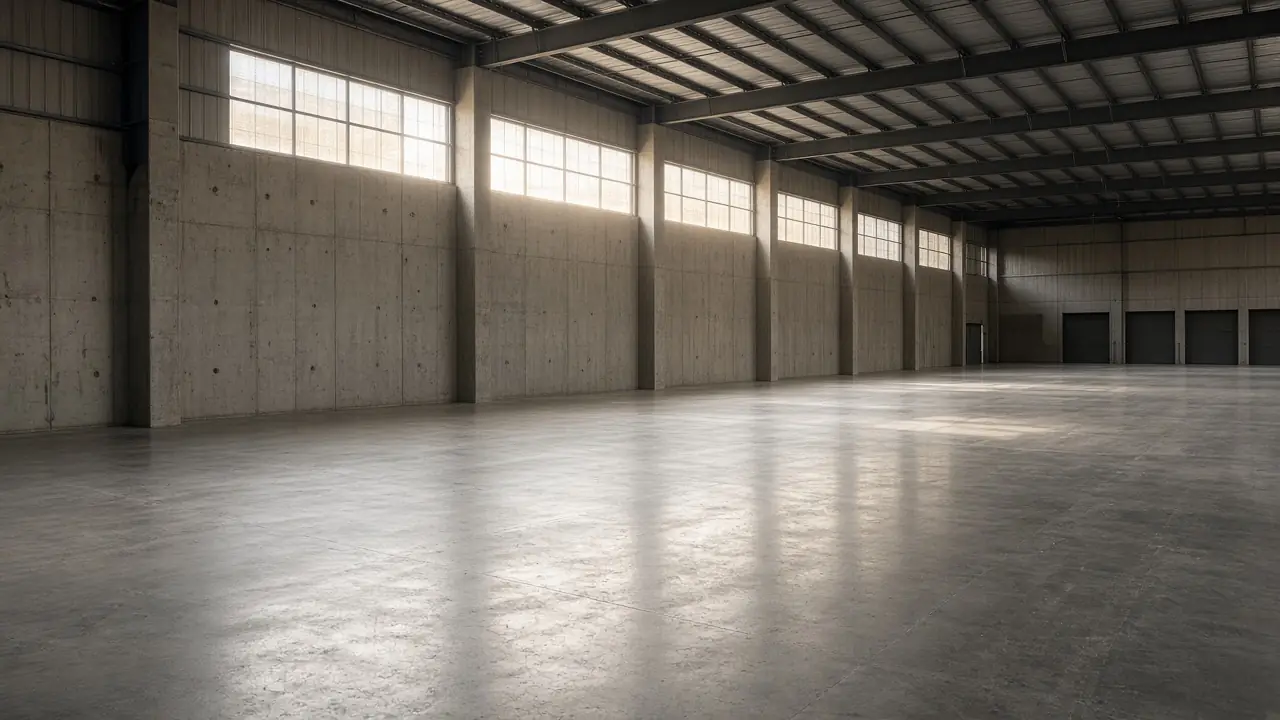
Parking lots connect to other commercial work. Commercial concrete covers sidewalks, dumpster pads and loading aprons. Warehouse flooring covers interior floors. Concrete repair covers cracks and settlement.
Request your free parking lot estimate
Tell us about your lot and the damage. We will get back to you with a free estimate.
Parking lot concrete details